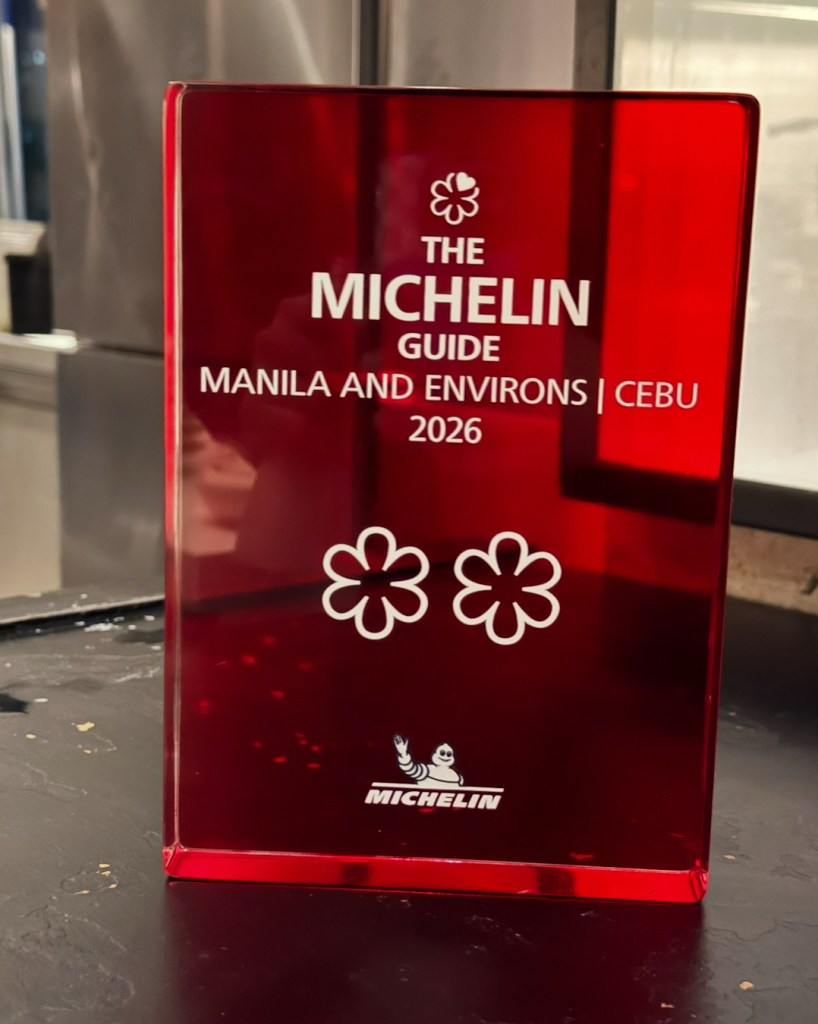
Michelin is such a big deal in the food world because it completely reshaped how we talk about great food.
For starters, Michelin inspectors dine anonymously. No special treatment, no advance notice, no curated tasting just because someone important is in the room. They experience restaurants the same way regular diners do, which gives the guide a level of credibility people trust.
Then there’s the focus. Michelin doesn’t care about flashy interiors or celebrity hype . It’s all about the food. Ingredients, technique, balance, and whether the chef’s personality actually comes through on the plate. If it doesn’t taste exceptional, nothing else really matters.
Another reason Michelin carries so much weight is consistency. A star in Tokyo means the same thing as a star in Paris or Manila. The standards don’t bend based on location, and restaurants are checked repeatedly. One off night won’t ruin everything, but sustained excellence is non-negotiable.
And here’s the part that really ups the pressure: stars aren’t permanent. They can be taken away. That means chefs have to deliver at a high level every single service, not just on a good day. It’s demanding, relentless, and honestly a little brutal.
Over time, Michelin became more than a guide. A star can change a restaurant overnight — reservations explode, expectations skyrocket, and chefs suddenly carry the weight of global attention. That’s why Michelin isn’t just respected… it’s feared, coveted, and endlessly talked about.
In the food universe, a Michelin star isn’t just a rating.
It’s a benchmark.
A flex.
And a serious badge of honor.
 Pigoutmanila