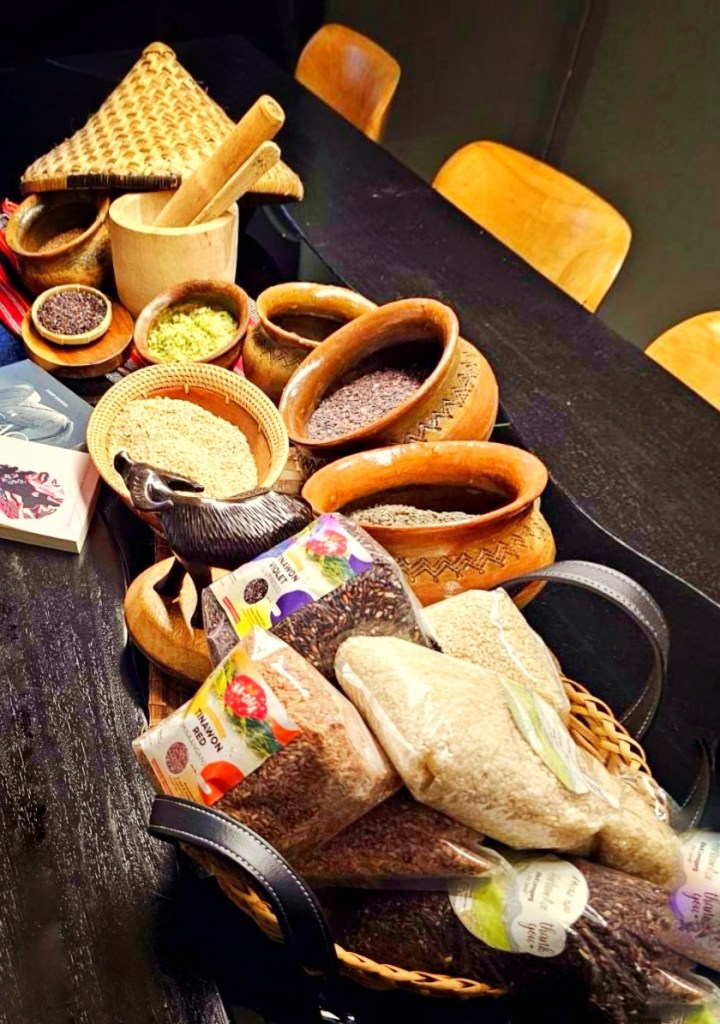
The table is set, the flavors are intentional, and our Michelin chase continues.
Our 29th stop brings us back to Gallery by Chele, the only restaurant in the country recognized with both a Michelin Star for culinary excellence and a Michelin Green Star for sustainability. Here, every plate is grounded in flavor, purpose, and respect for produce.
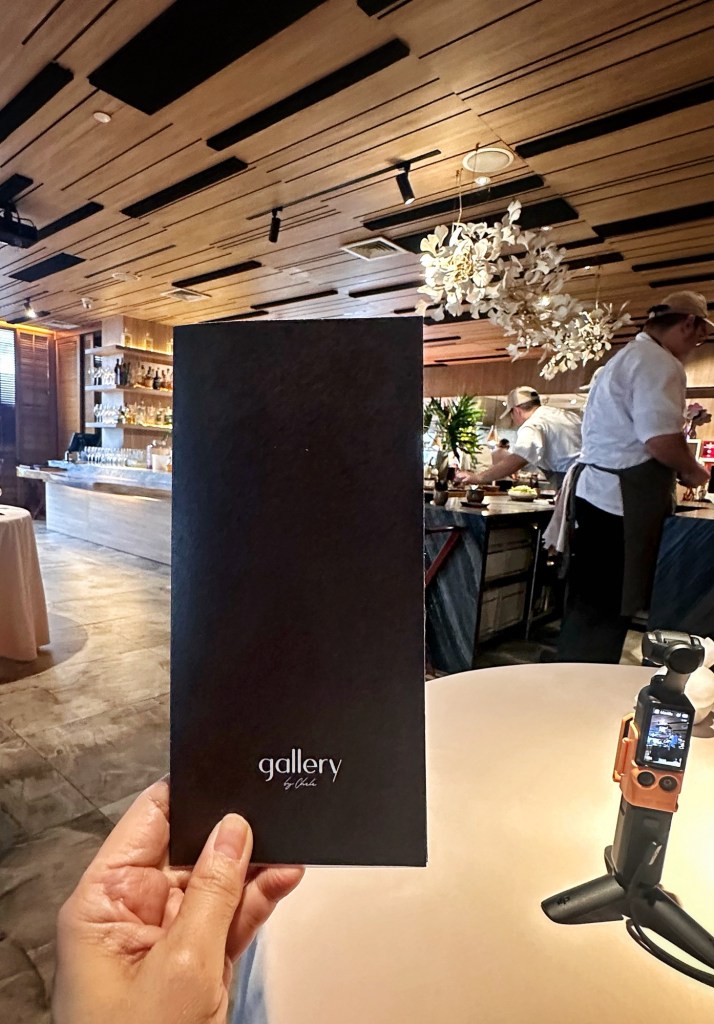
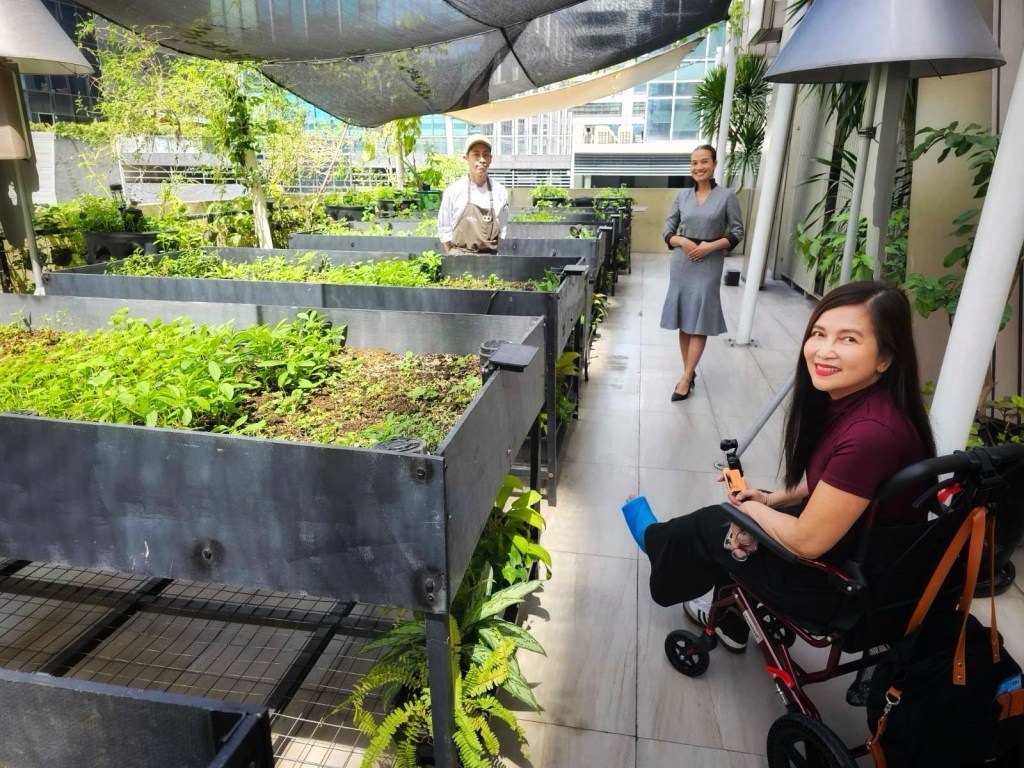
This marked my third visit to Gallery by Chele, each one reflecting a different chapter. The first was pre-pandemic, when the now-celebrated garden existed only as a vision. The second was shared with girlfriends. This third time last Feb 19, I finally experienced it with my handsome hubs with the garden in full bloom, supplying ingredients that travel only steps before reaching the kitchen.
Even while recovering from a fractured ankle and confined to a cast, the food commanded full attention. Dishes were thoughtful yet expressive, rooted in seasonality, and quietly confident, proof that sustainability doesn’t dilute indulgence, it deepens it. The garden-to-table philosophy wasn’t a concept here; it was something you could taste in every course.
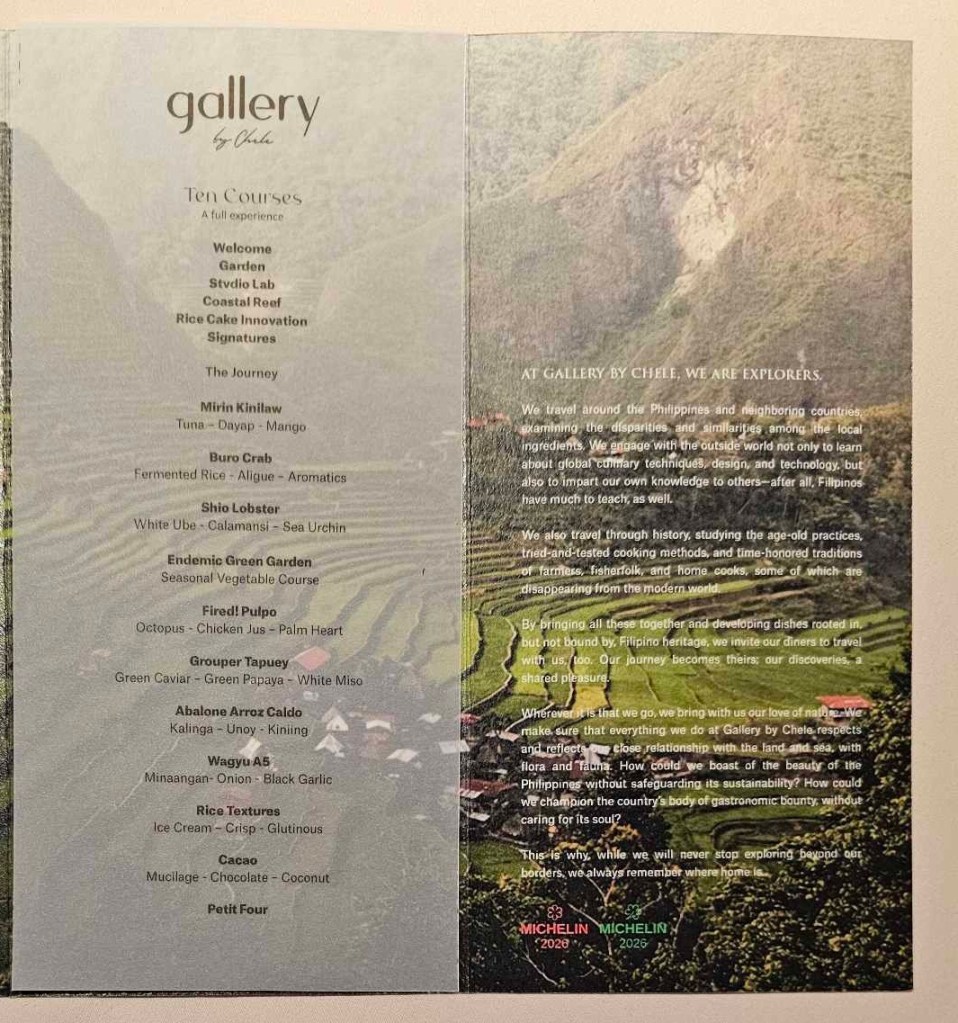
Back at the table, healing paused, senses awakened, and our Michelin journey moved forward—one carefully plated story at a time.
Welcome
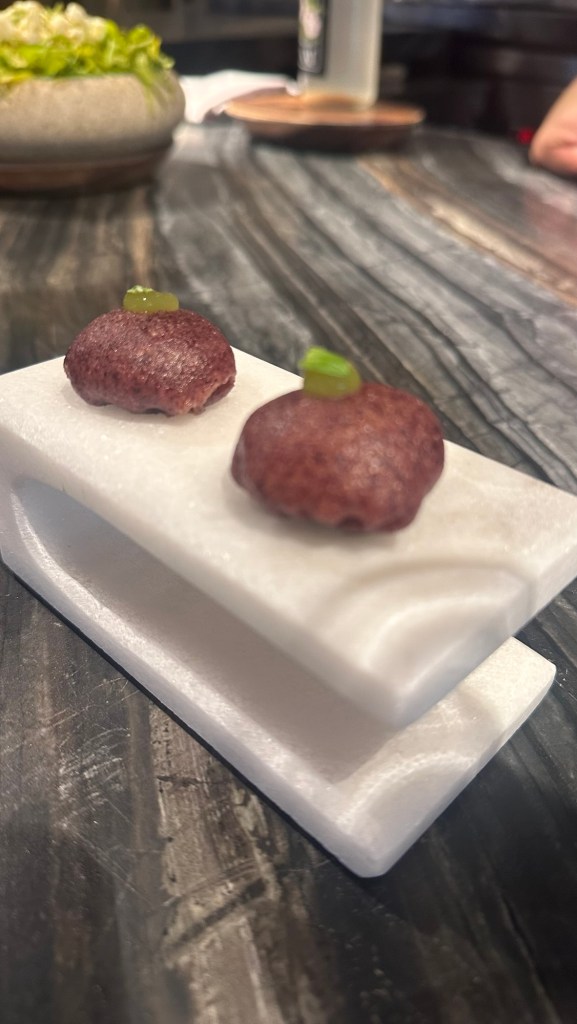
Our Michelin-starred journey began on a quiet high note: a Japanese-inspired purple rice mochi from the Cordilleras, soft and tender with a bright dalandan gel at its core. Familiar yet distinctly local.
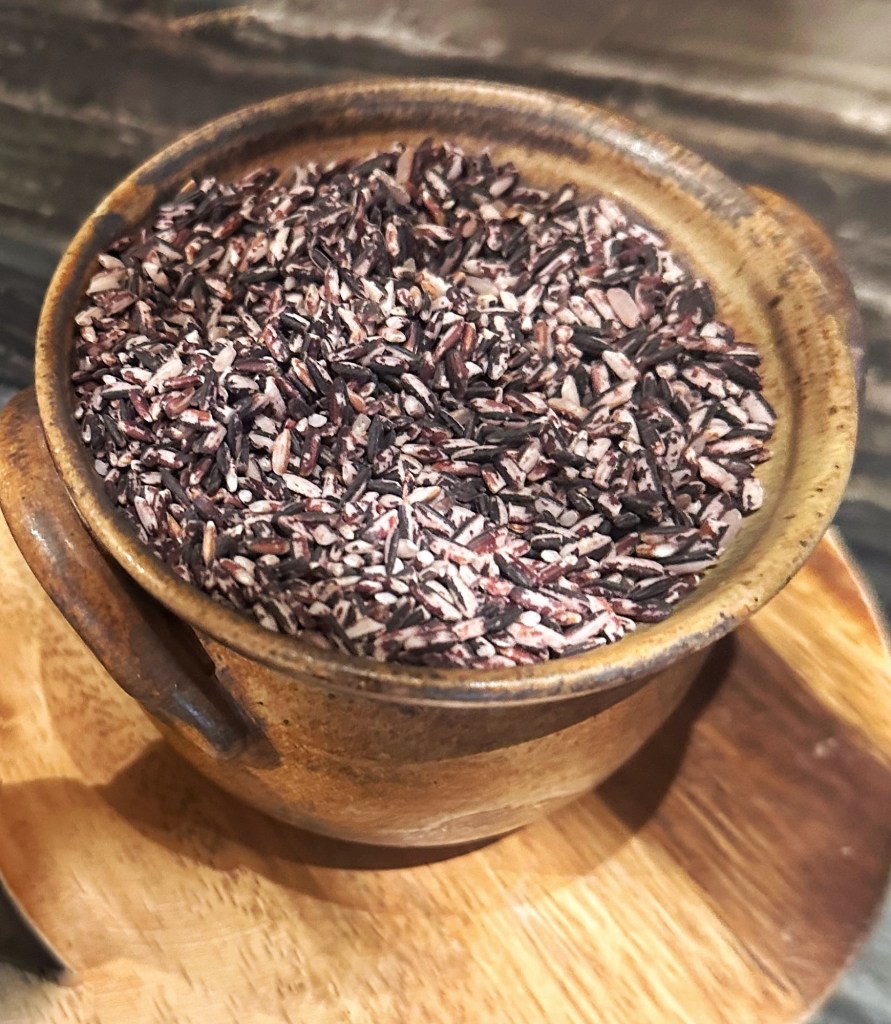
It came with a lightly sparkling house-fermented drink, delicately scented with sampaguita. Crisp, aromatic, and citrus-friendly, the pairing gently awakened the palate—an elegant prelude to the story ahead.
As we were introduced to the course, we learned that the overarching theme of the tasting menu centers on rice specifically the diverse varieties cultivated across different regions of our archipelago. It was a meaningful beginning: a humble grain elevated into a culinary narrative that celebrates place, culture, and identity, one course at a time.
Garden
After the welcome drink and the mochi filled with dalandan gel, we were led into the restaurant’s own urban garden, a true farm-to-table moment that set the tone for the courses ahead.
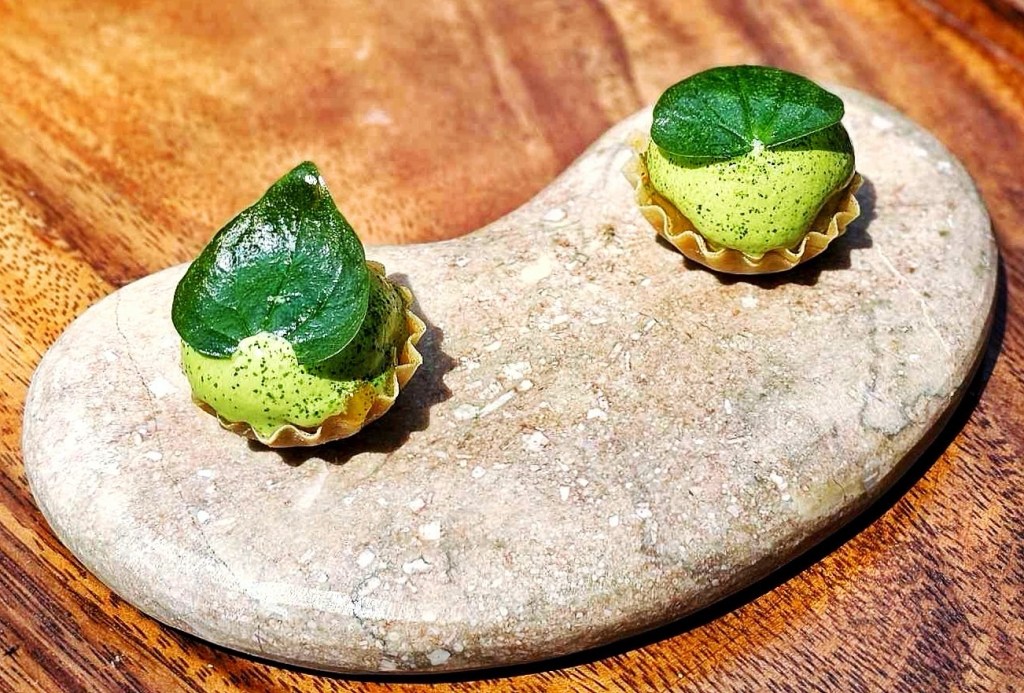
That philosophy came to life in the scallop tartlet. Delicate yet deeply expressive, it layers a crisp lumpia wrapper base with pumpkin purée, local scallops, ripe mangoes, and toyo mansi. A gentle mustasa espuma crowns the tartlet, finished with malunggay powder and pansit-pansitan—greens freshly harvested from the garden we had just visited.
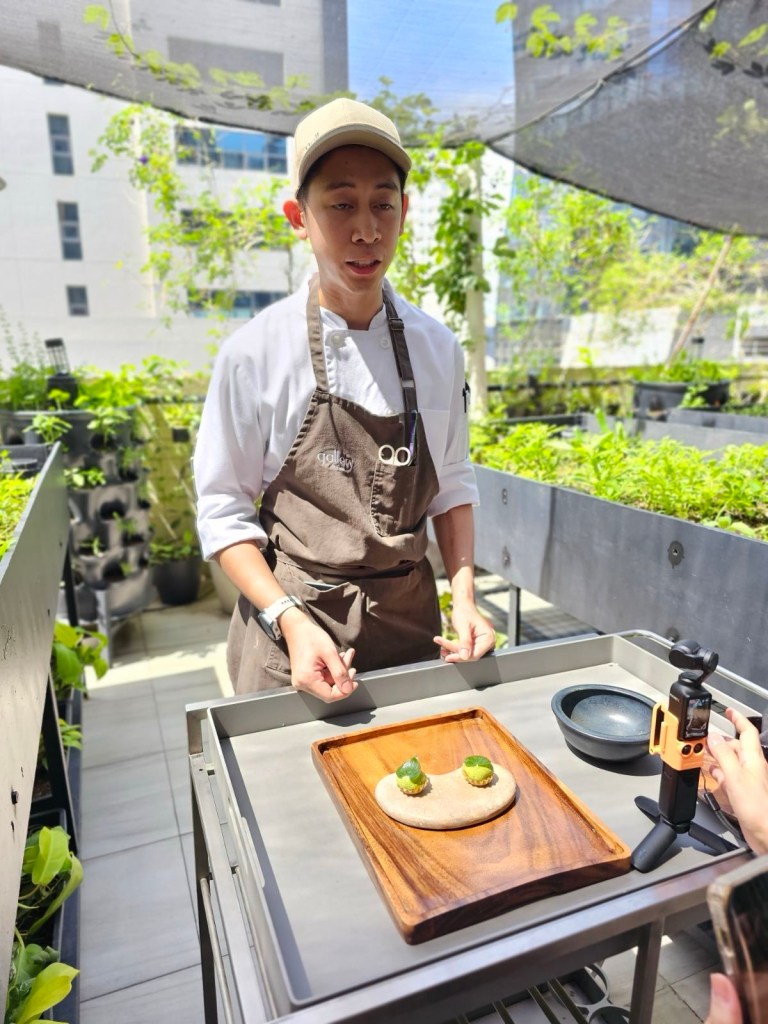
Each bite unfolds with quiet precision: earthy at first, followed by the sweetness of mangoes, a lift of acidity, and finally the briny echo of the sea. Knowing that nothing is wasted here, kitchen scraps turned into compost that nourishes the garden, makes the experience feel complete. At Gallery by Chele, farm to table is not a concept, but a living cycle reflected on the plate.
Studio Lab
The third leg of our mini tour focused on fermentation, ending with a coconut ice cream with fizzle. Made from fermented coconut cream, sugar, and yeast, it was paired with nata de coco fermented longer with native bacteria.
The result was unexpectedly beer-like, with the nata’s sharper acidity balancing the creamy ice cream. A small but telling glimpse into Gallery by Chele’s Studio Lab, where fermentation quietly shapes what lands on the plate.
Coastal Reef
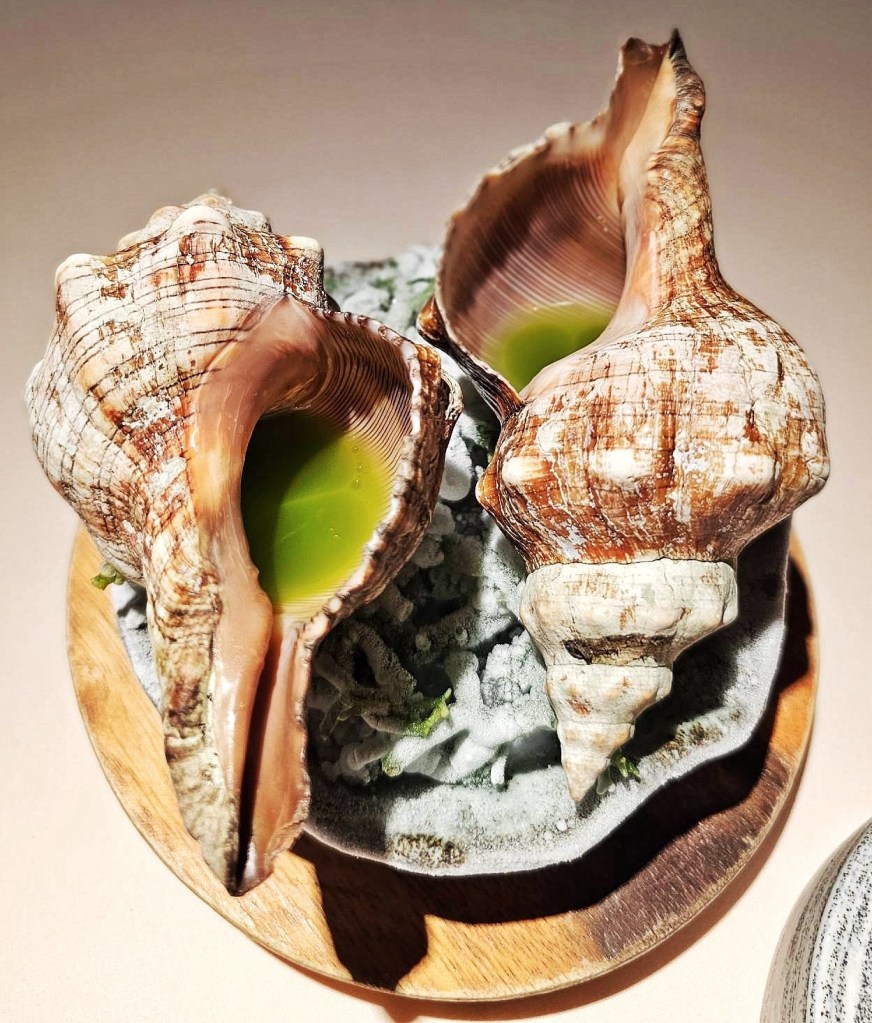
The 4th and 5th snacks, aptly named Coastal Reef , felt like a quiet treasure from sea and soil. A chilled clam broth bright with ginger and cilantro, sipped from a spider conch, tasted like a beach day distilled.
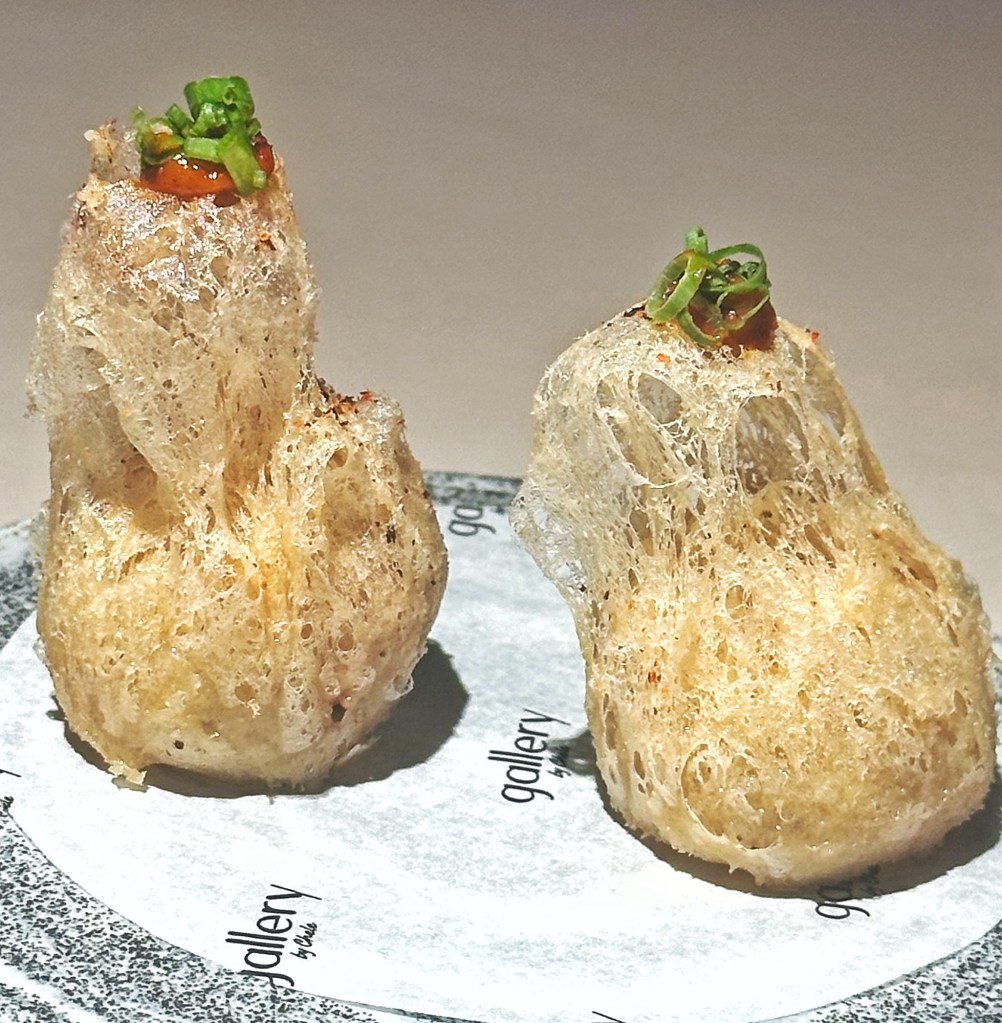
Its partner followed: creamy taro with lobster and uni, wrapped in a whisper-thin skin that shattered on the bite. Earthy, sweet, and briny in perfect harmony, one of those bites you wish you could replay.
Rice Cakes
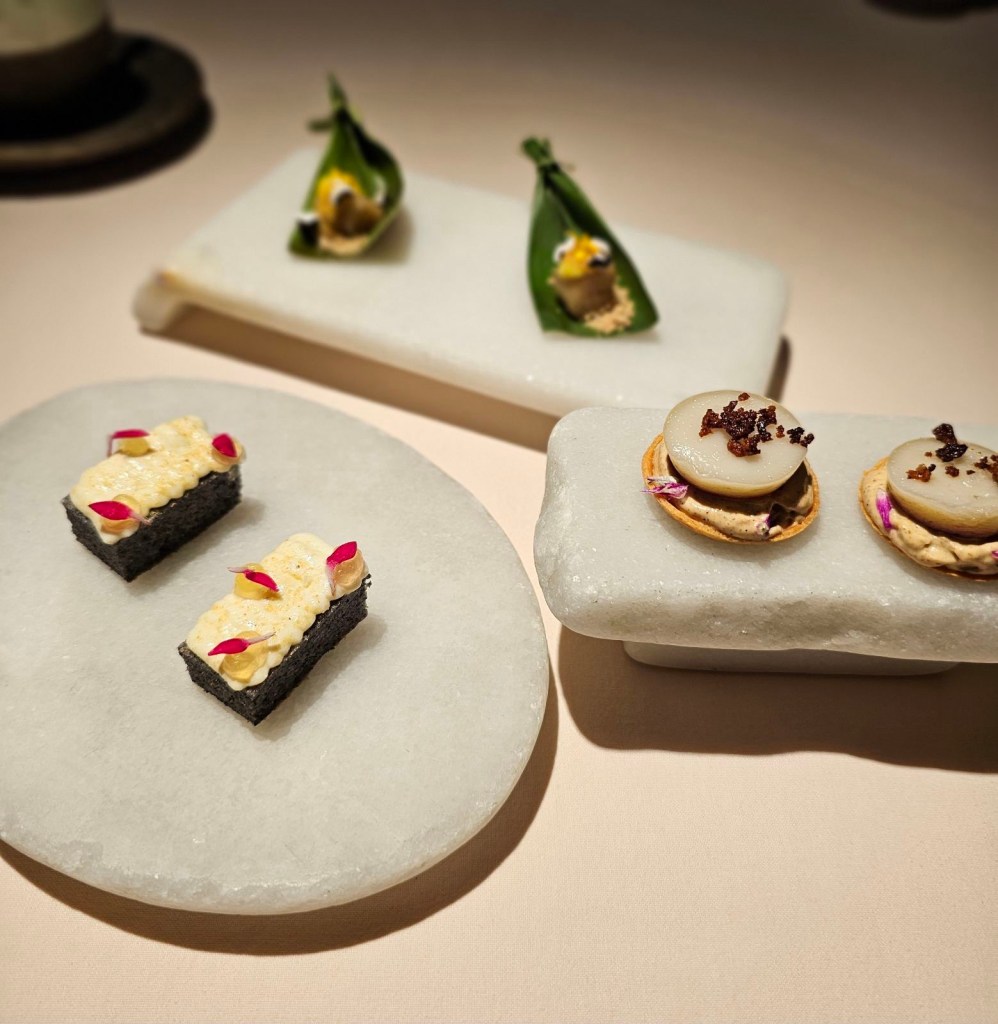
The next dish was aptly called Rice Cakes, a thoughtful tribute to beloved Filipino kakanin. Staying true to the Rice theme, it reimagined familiar comforts : puto, sapin-sapin, and tupig through a more refined lens.
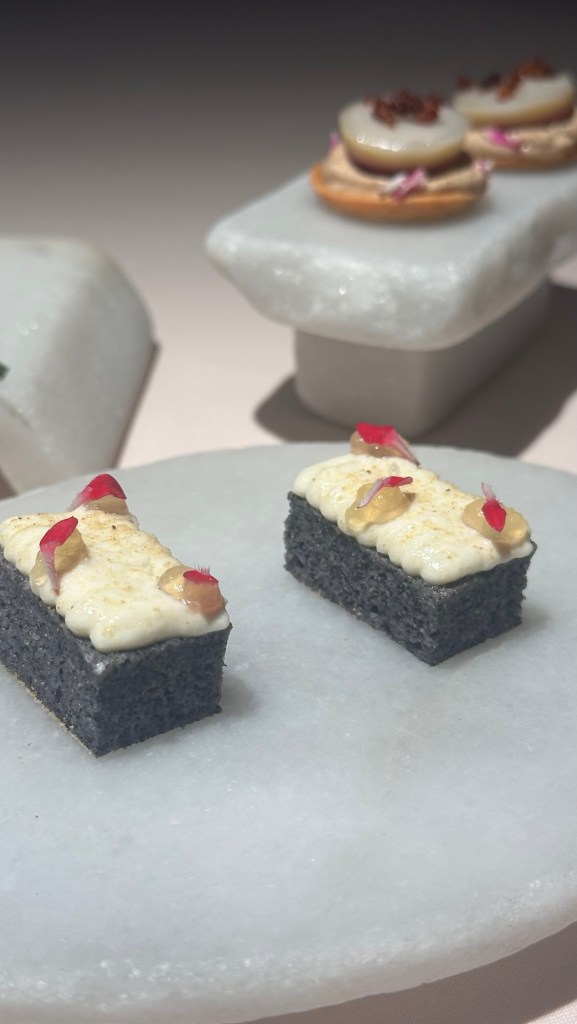
Puto. Traditionally a fermented rice cake, this version used dikit violet, lending both depth and a subtle sweetness. Crowning it was a cloud-like goat cheese mousse made from Davao-sourced cheese: creamy, gently tangy, and beautifully balanced against the rice.
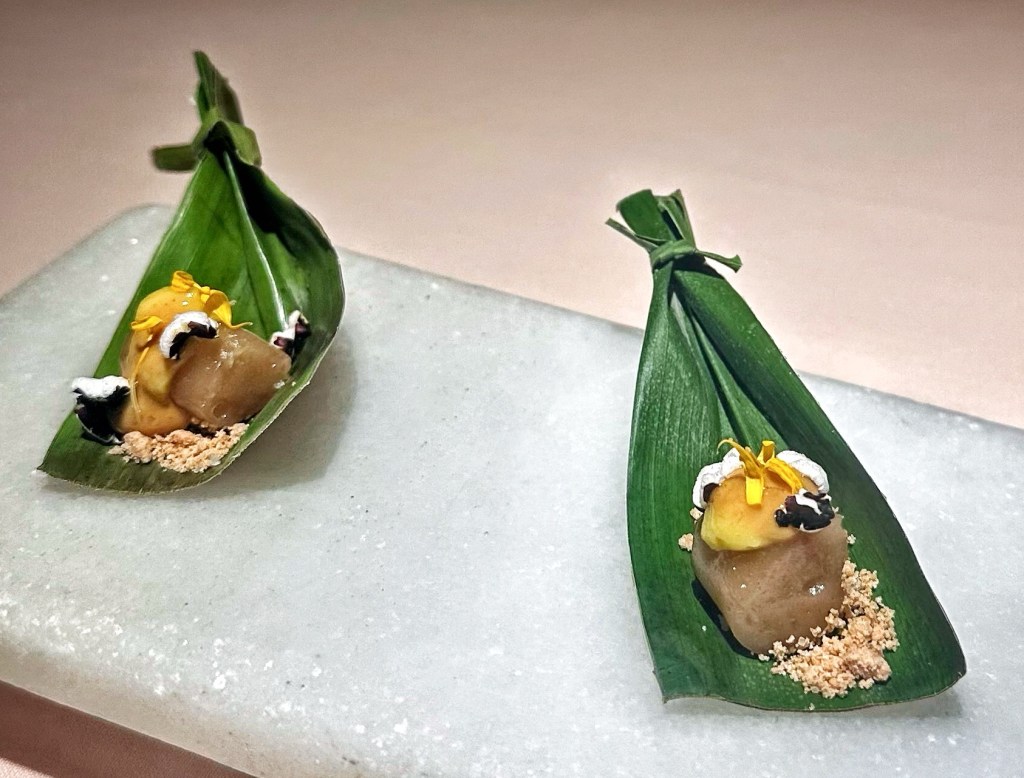
Tupig. Traditionally wrapped in banana leaves and cooked over charcoal, here it was steamed and finished with a touch of smoked oil, preserving that unmistakable smoky aroma. Beneath it lay a bed of rice crumble, accented with peanut sauce and finished with a sprinkling of puffed rice for texture.
To eat it, simply hold the handle and gently slide the tip down. Just remember, the “spoon” is not edible. That banana leaf isn’t garnish; it’s your utensil, adding aroma, authenticity, and a charming nod to tradition.
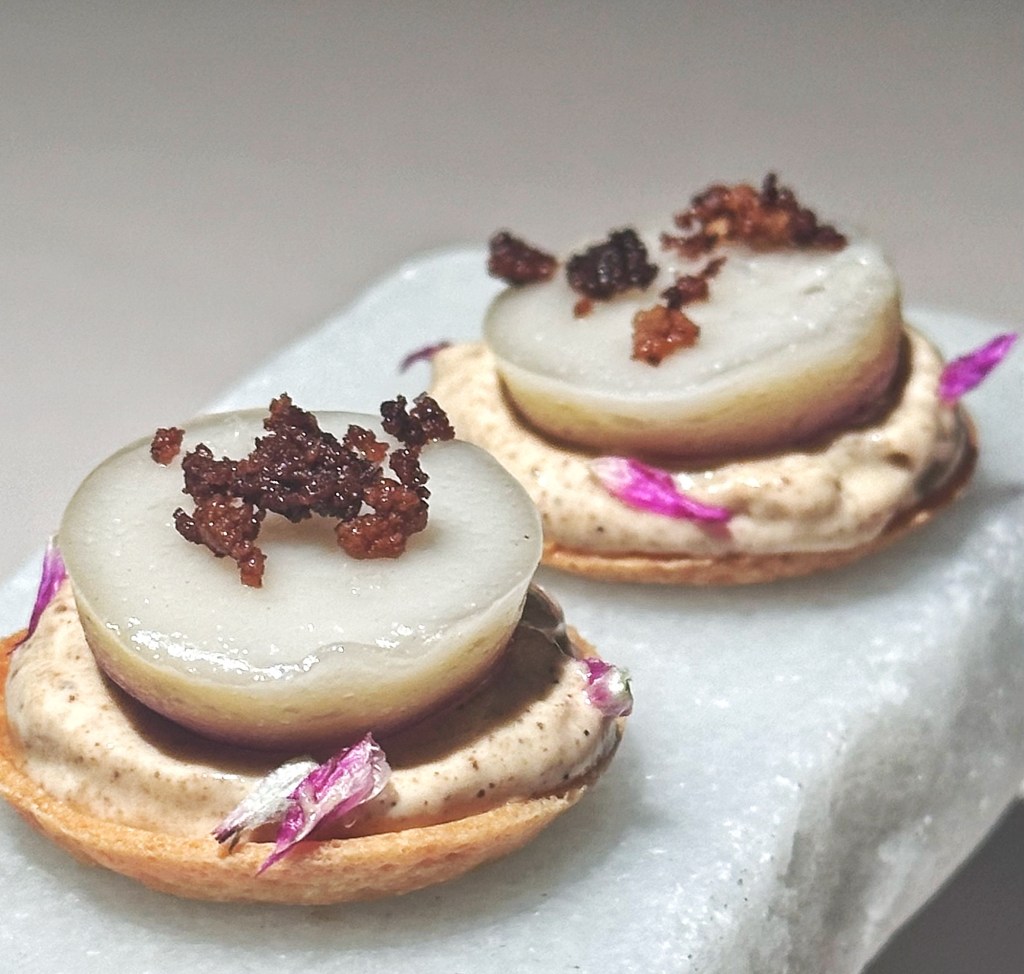
Sapin Sapin Layers of coconut, langka (jackfruit), and ube, reimagined in the cutest presentation we’ve ever tried. Beneath the delicate layers is a playful queso de bola twirl, finished with airy latik foam and a generous latik crumble on top.
We were told that the best way to enjoy them is to Start with the puto, move on to the tupig, and end with the sapin-sapin for a perfectly balanced progression of textures and flavors.
Signatures
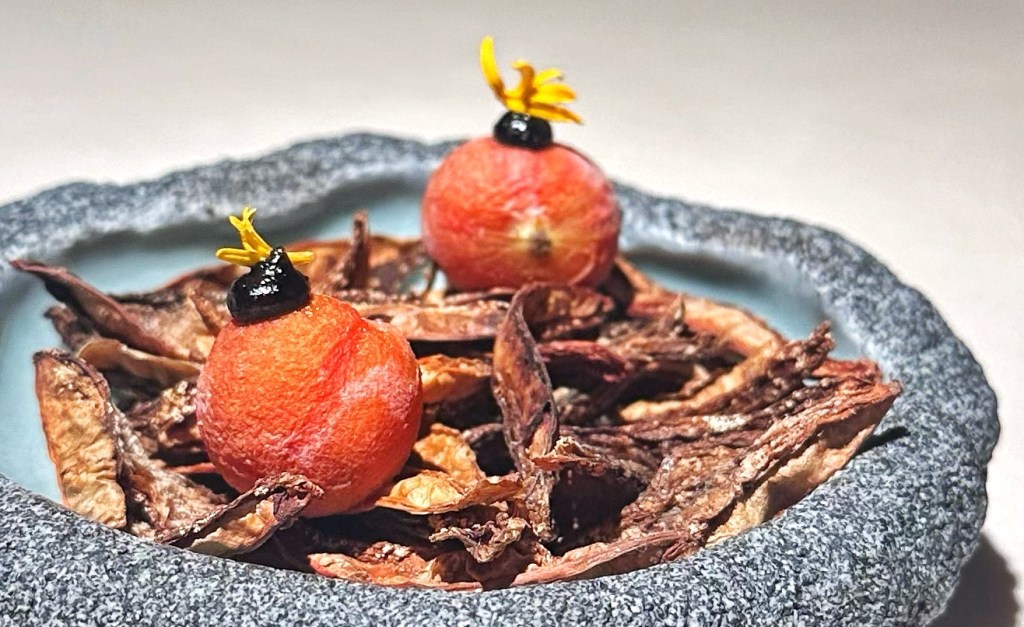
These are dishes that have appeared and evolved across their ever-changing menus—classics that quietly define the restaurant’s identity.
Sinigang. Think miniscule , plump cherry tomato injected with pork sinigang broth. Instead of relying solely on tamarind, the broth is layered with dried kamias, adding depth and gentle acidity. One bite is all it takes. The tomato bursts, delivering a familiar yet refined sinigang hit
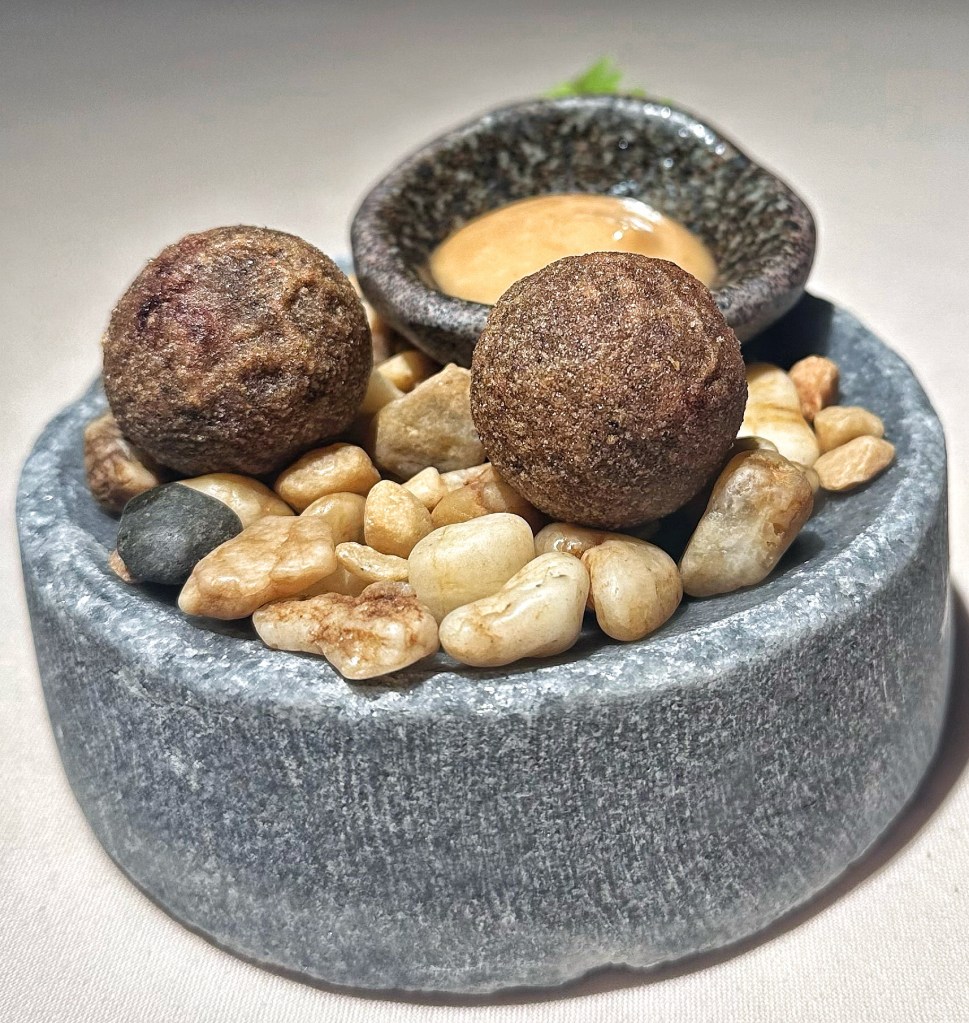
Next comes the Carabao Kare-Kare Bonbon. Inside is tender carabao meat transformed into a rich kare-kare stew, coated in buckwheat flour and deep-fried in coconut oil. Of course, kare-kare is never complete without bagoong, reimagined as a bagoong mayonnaise on the side.
It’s a beautiful balance: sweet, nutty notes from the peanut-forward kare-kare, perfectly offset by the savory saltiness of the bagoong mayo. Familiar flavors, elevated with precision and restraint.
 Pigoutmanila