The view from my chair continues
A few days ago, we were at Michelin Star & Green Star recipient Gallery by Chele for lunch , our 29th stop in our Michelin adventure. Beyond the anticipation of the meal itself, I was pleasantly surprised to discover that the restaurant is PWD-friendly, allowing me to settle in comfortably and fully savor the experience.
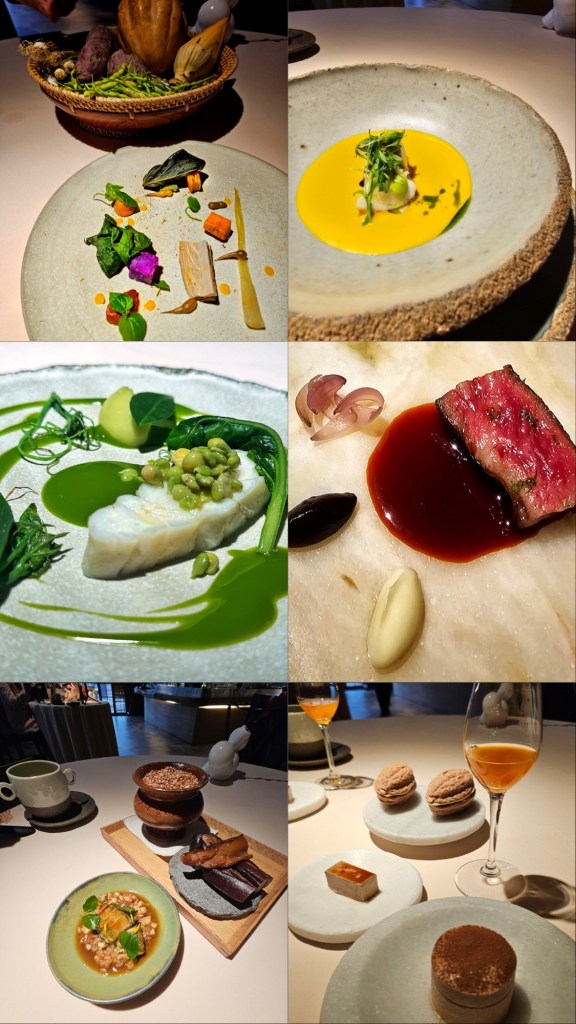
This post is Part 2 of our visit to the Michelin Star and Green Star recipient, where the spotlight turns to the 10-course degustation menu, a thoughtful culinary journey that celebrates rice in all its forms. Each course arrived like a carefully composed chapter, revealing the creativity, technique, and deep respect for Filipino ingredients that define the restaurant’s philosophy.
See link below for Part 1 of my blog post
Curious about how much this Michelin-level tasting menu costs?
Read until the end to find out the price per person.
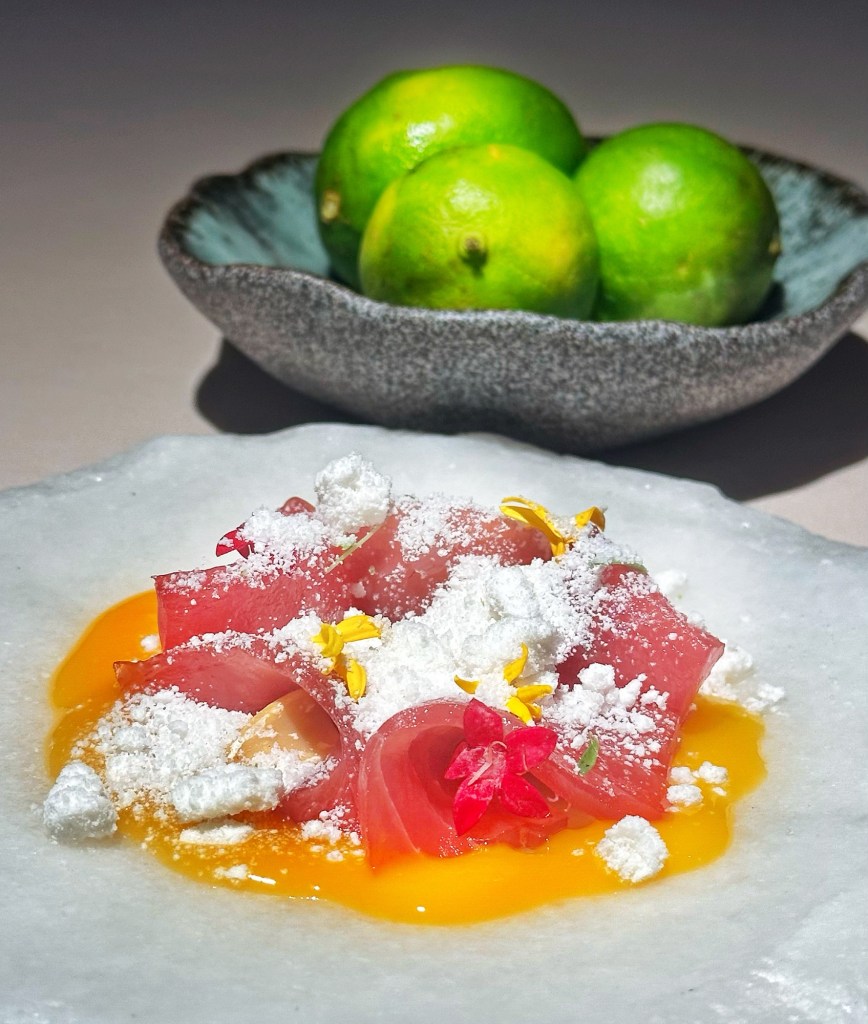
First Course : Mirin Kinilaw Tuna.Dayap.Mango
Mirin Kinilaw is Gallery by Chele’s thoughtful, cross-cultural take on kinilaw, the Filipino counterpart of ceviche.
Before the first course arrived, we were introduced to their house-made mirin and invited to taste it on its own. Traditionally Japanese, mirin is a sweet fermented rice wine; here, it is reimagined using mayuyao white rice sourced from Banaue. The rice is macerated into liquid and fermented with koji, a Japanese starter culture that lends gentle sweetness and layered umami.
That mirin becomes the backbone of the dish. Pristine cubes of tuna are lightly “cooked” in the fermented rice wine, then glazed with patis to deepen the savory element. Peanuts add texture, a silky mirin gel rounds out the palate, and mango leche de tigre brings bright, tropical acidity.
A lemongrass-mirin granita finishes the plate, cooling and lifting each bite. The result is clean, balanced, and refreshing. Fresh tuna sharpened by citrus, softened by subtle sweetness, and unified by an elegant dialogue between Japanese technique and Filipino soul.
2nd Course : Buro Crab
Fermented Rice, Aligue, Aromatics
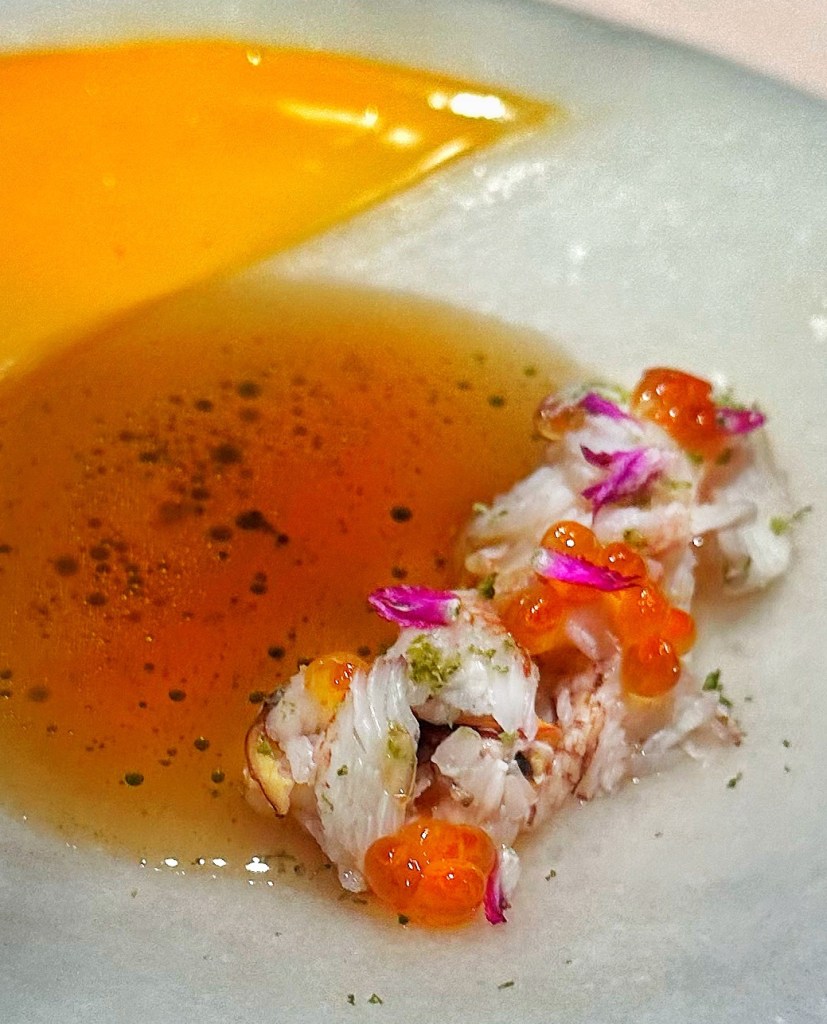
The second course reinforces the menu’s central theme RICE, interpreted through tradition, technique, and thoughtful storytelling.
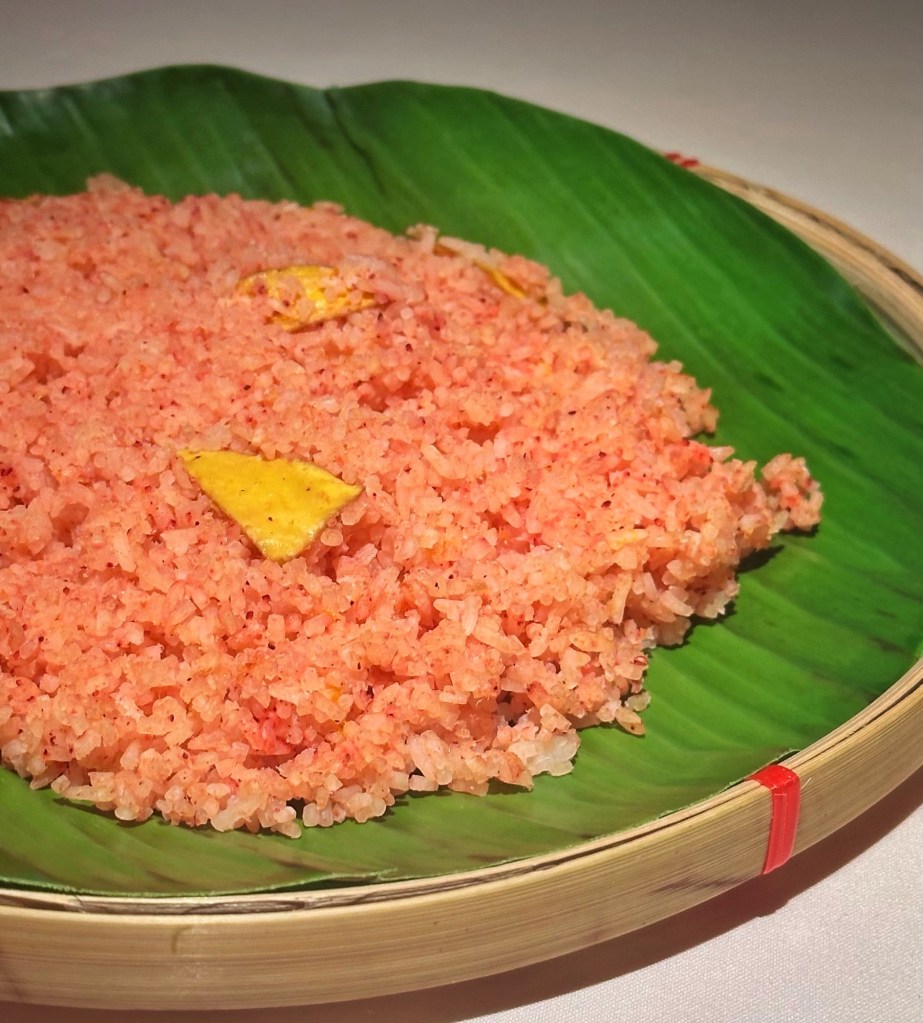
Before the dish was served, we were shown what red yeast rice looks like, presented simply in a bilao lined with a green banana leaf. It was a grounding moment. We were reminded that buro is traditionally a Filipino preservation method, made by fermenting rice with seafood. At Gallery by Chele, however, buro is reimagined to align with the menu’s narrative: rice takes the lead. Their version uses red rice, yeast, and mango, resulting in a more nuanced, gently sweet-and-sour expression of the classic.
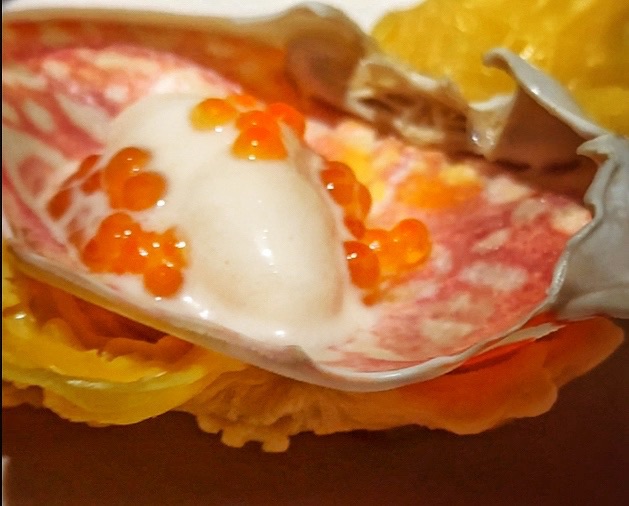
This buro is transformed into ice cream, delicately marinated in ikura, and strikingly presented inside a crab carapace—an impressive visual that immediately sets the tone. Alongside it is crab marinated in lime jam and ikura, with an aligue emulsion served on the side. A light sauce of crab broth infused with aromatics ties everything together.
Think crab ceviche at its core—clean, bright, and fresh—with the option to add richness through the aligue, never heavy, just elegantly restrained.
The clear standout was the buro ice cream itself. Distinctive and unexpected, the fermented rice notes paired beautifully with the briny pop of ikura, making for a dish that was as memorable as it was thoughtful.
3rd Course : Shio Lobster
White Ube – Calamansi – Sea Urchin
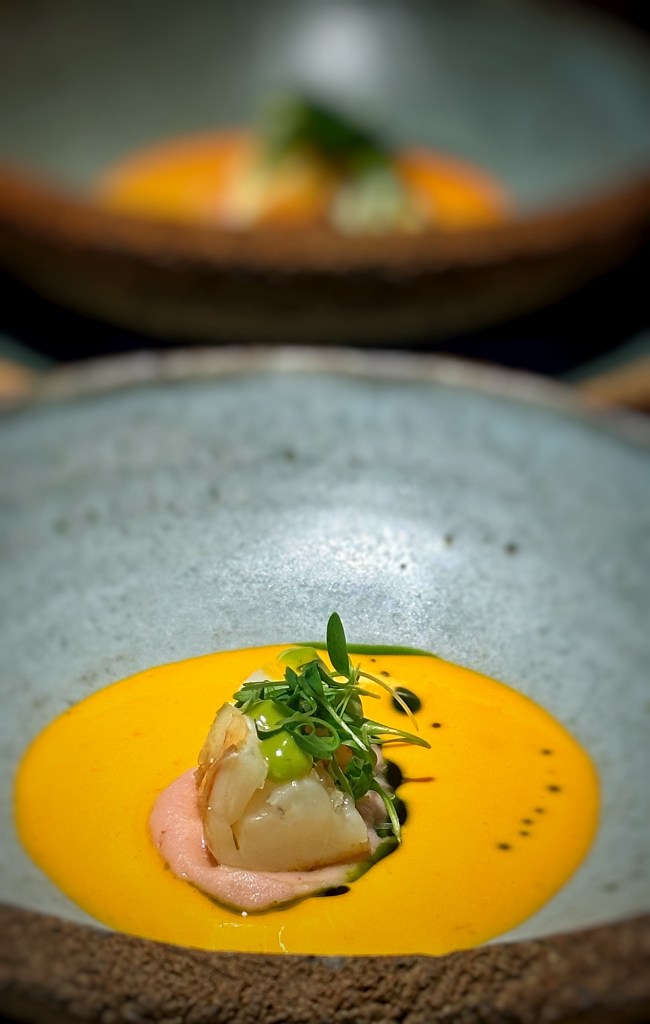
The lobster is gently marinated in shio garlic, then set atop a silky base of white and purple ube. Crowning the dish is a luxurious sea urchin sauce, finished with a light cilantro emulsion.
The result is a deeply satisfying composition: succulent lobster against the earthy sweetness of ube, lifted by bright calamansi and bound together by the oceanic richness of uni. It’s a seamless meeting of sea, soil, and sun—and that sea urchin sauce? It deserves to be bottled. I’d happily stock my pantry with it.
4th Course: Endemic Green Garden
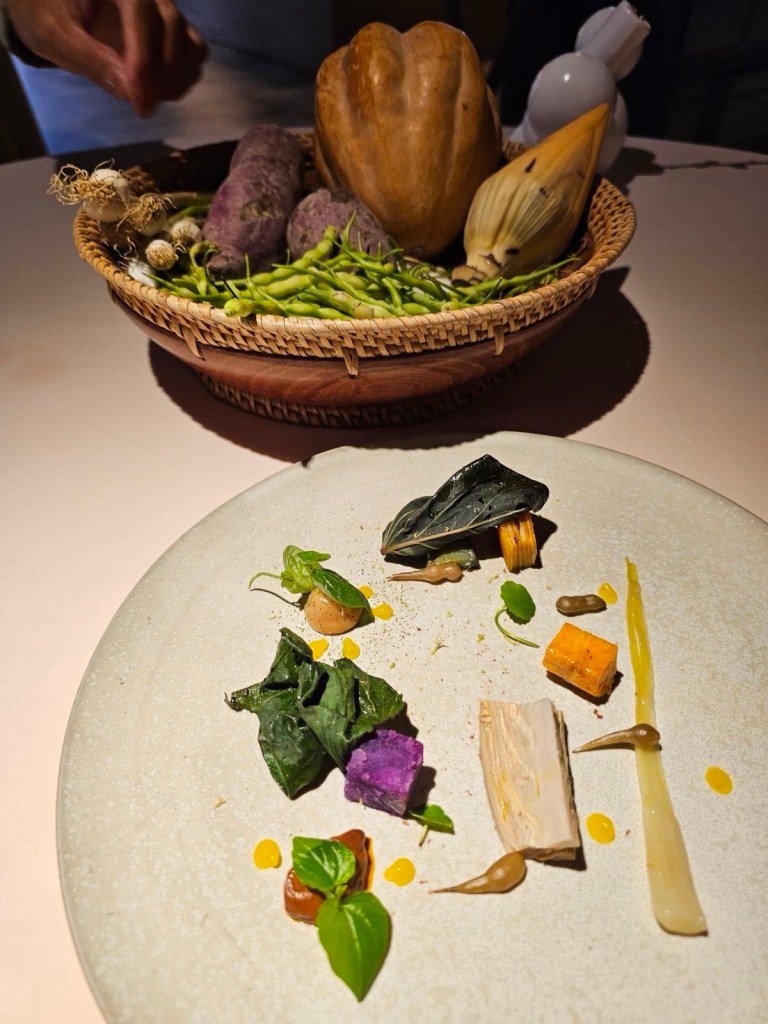
There are moments in a tasting menu when restraint speaks louder than luxury. Endemic Green Garden was one of those moments.
The vegetables pansit-pansitan, talbos ng kamote, spring onion, yellow and purple kamote, pumpkin, radish, and banana heart were all harvested from the restaurant’s own urban garden, just steps from the kitchen. Their freshness was unmistakable. Toasted rice and mole added warmth and depth, while an ubod sauce, made from coconut trunk, lent a gentle, almost milky sweetness that anchored the dish.
I never thought vegetables could taste this good. Perhaps it’s because they were picked only moments before they were plated, allowed to speak in their purest, most confident voice. Unfussy yet deeply considered, this was elegance without excess. A quiet reminder that when produce is this fresh, it needs very little else.
5th Course: Fired Pulpo
Octopus • Chicken Jus • Palm Heart
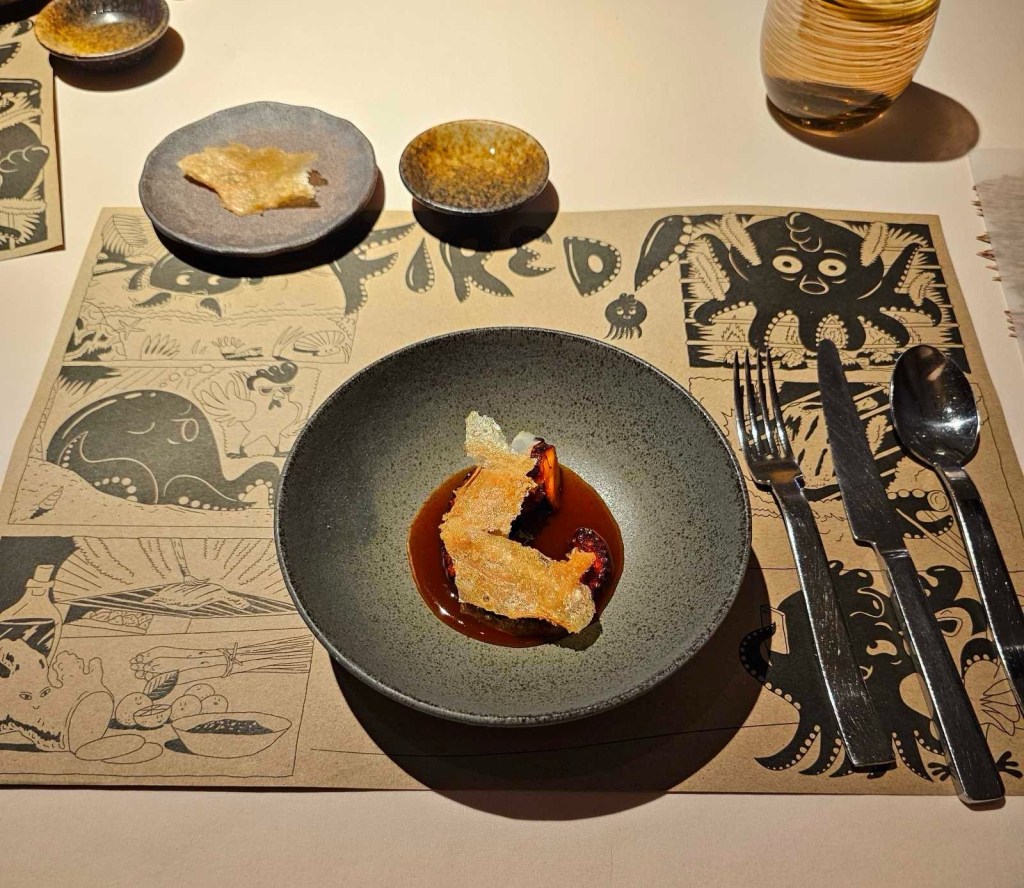
Imagine inasal—but reimagined, and decidedly more cerebral. In place of chicken, there is pulpo: fire-kissed octopus, bathed in a deeply savory chicken jus. Slivers of ubod stand in for atchara, offering gentle acidity and crunch that cut through the richness.
The octopus is a technical triumph , impossibly tender yet still firm, with a smoky char that recalls the familiarity of the grill. It’s a dish that plays with memory and expectation, translating the soul of a street-side classic into something refined without losing its warmth. Comfort food, elevated, but still unmistakably Filipino at heart.
I also loved the storytelling told through the paper placemat : a small, thoughtful detail that added a sense of fun and whimsy, gently guiding the diner through the narrative behind the plate.
6th Course: Grouper Tapuey
Green Caviar • Green Papaya • White Miso
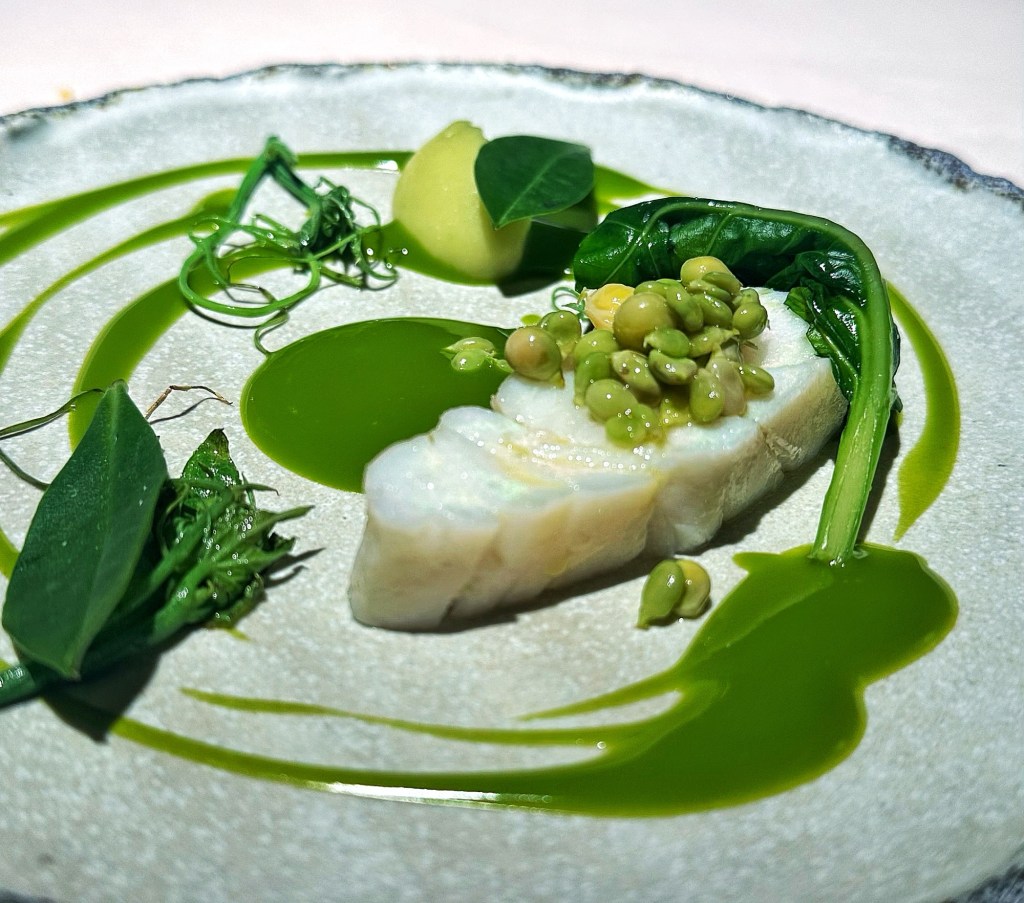
This course announced itself visually before it did anything else. Clean, restrained, and quietly confident, the plate was a study in calm, an arrangement so considered it invited a pause before the first bite.
Then came the flavors. Fresh grouper, pristine and delicate, carried the gentle funk of tapuey with ease. Bursts of green caviar added salinity and pop, while green papaya brought a crisp, vegetal freshness. A veil of white miso rounded everything out, lending soft umami without overwhelming the fish.
It was a fresh treat from the sea in every sense : light, balanced, and thoughtful but it was the beauty of the presentation that set the tone, reminding you that here, pleasure begins with the eyes.
7th Course: Abalone Arroz Caldo
Kalinga Rice • Unoy • Kiniing
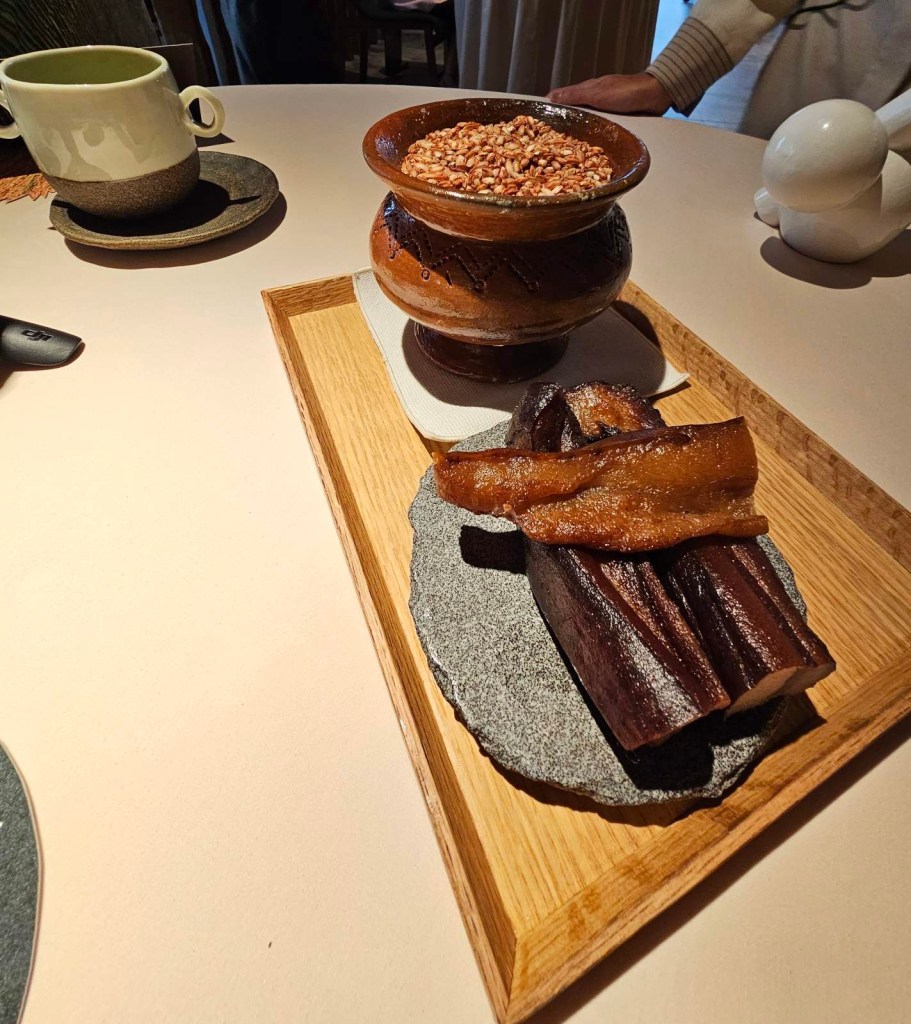
Before getting into the dish, two elements deserve context.
Unoy is a fermented rice product from Northern Luzon, often compared to tapuey but deeper and more pungent, contributing subtle acidity and funk. Kiniing, on the other hand, is an Igorot method of curing pork: salted, air-dried, and aged , resulting in meat that is intensely aromatic, savory, and unmistakably bold.
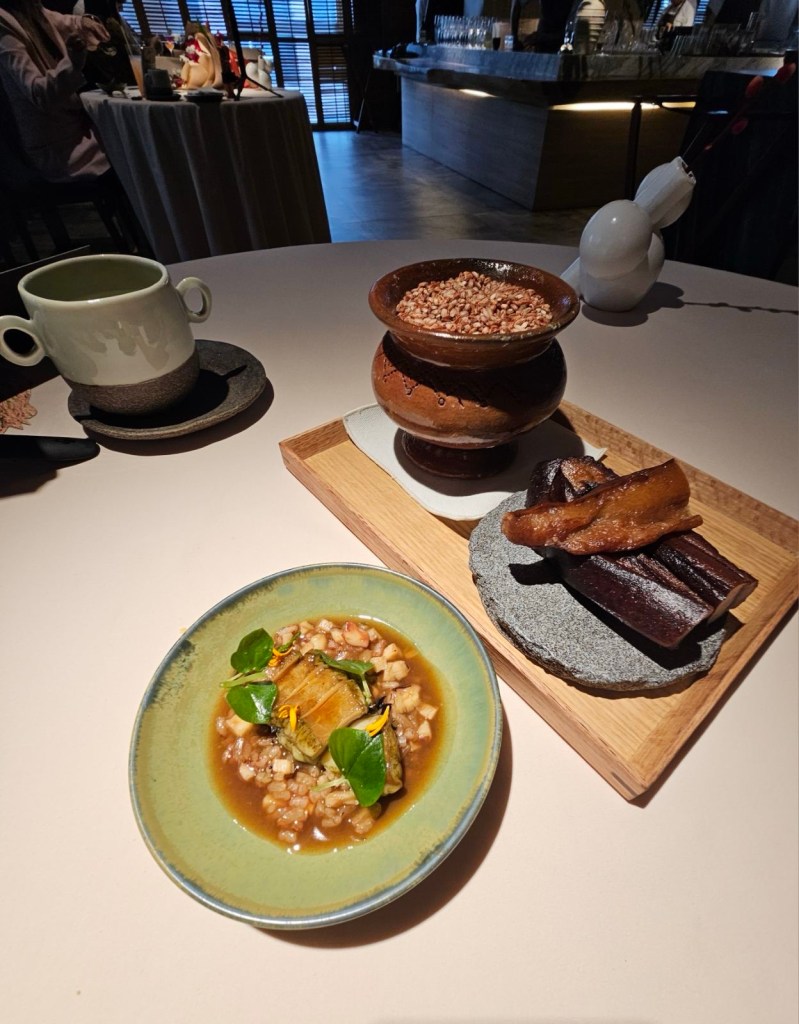
This course reimagines the Filipino comfort classic arroz caldo through a highland lens. Heirloom Kalinga rice forms the base, lending texture and nuttiness, while cubes of kiniing are folded into the porridge. Those small pieces of cured pork assert themselves immediately. The aroma arrives before the spoon does, and the flavor is dominant, adding depth, salt, and a smoky, fermented complexity that lingers.
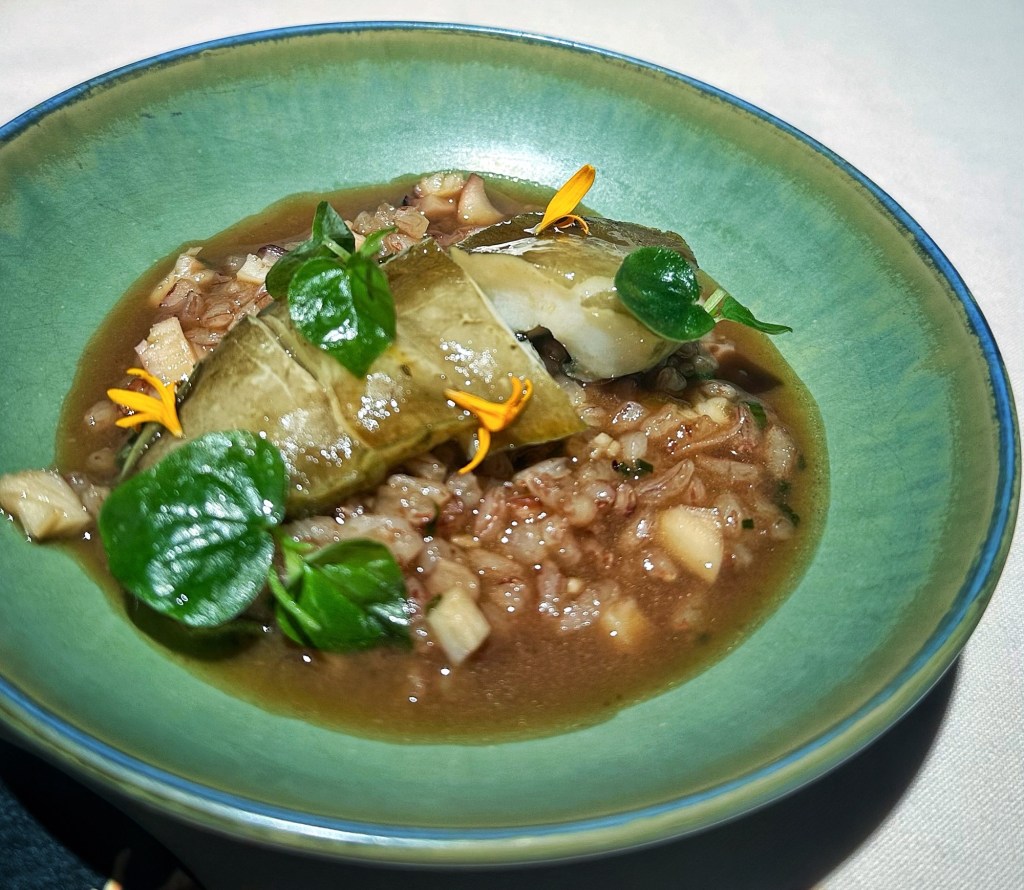
The abalone, luxurious by nature, feels almost restrained in comparison. Tender and delicate, it somehow becomes the quiet participant in a bowl led by pork and fermentation. The result is intellectually compelling and layered, though less cohesive . The cured pork commands the narrative, while the abalone struggles to fully integrate.
Still, it’s a bold and thoughtful interpretation of arroz caldo: familiar in spirit, challenging in execution, and unapologetically rooted in regional tradition.
8th Course : A5 Wagyu
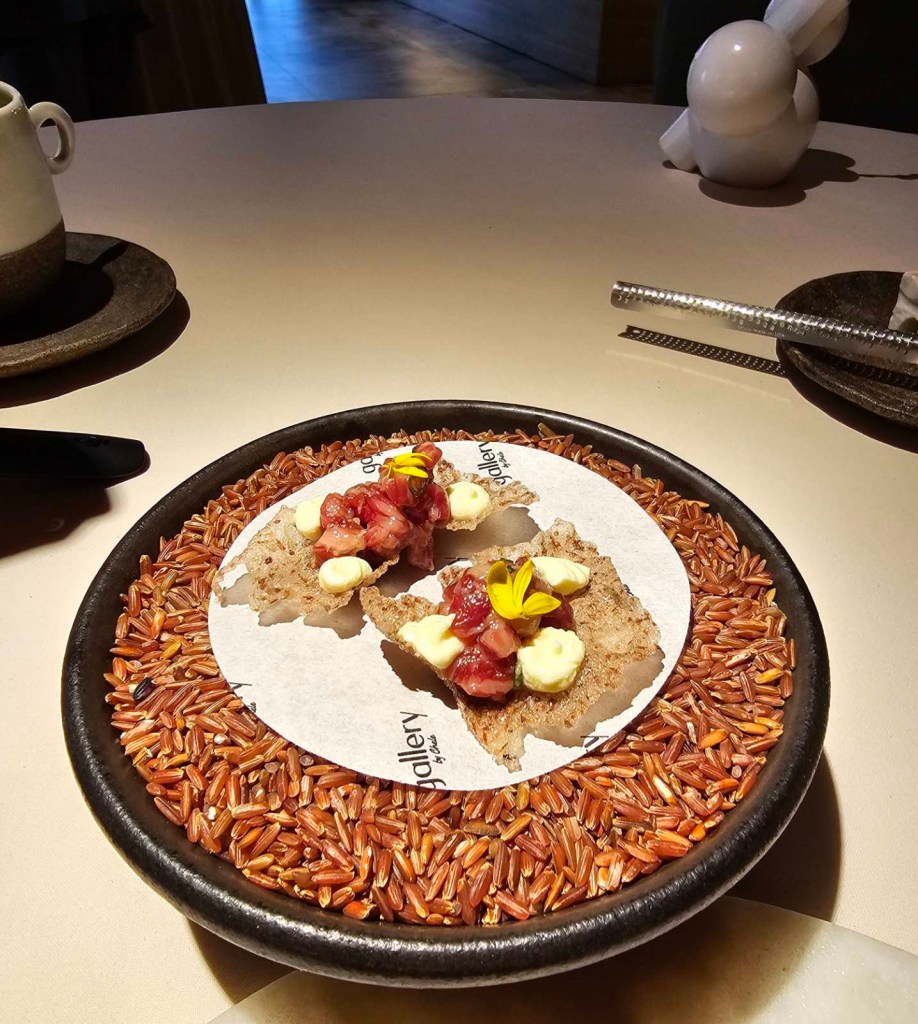
Gallery by Chele closes the savory portion of the journey in spectacular fashion with A5 Wagyu served two ways: one as a delicate tartare nestled in a crisp, golden vessel, the other a loving homage to our much-beloved classic Bistek Tagalog.
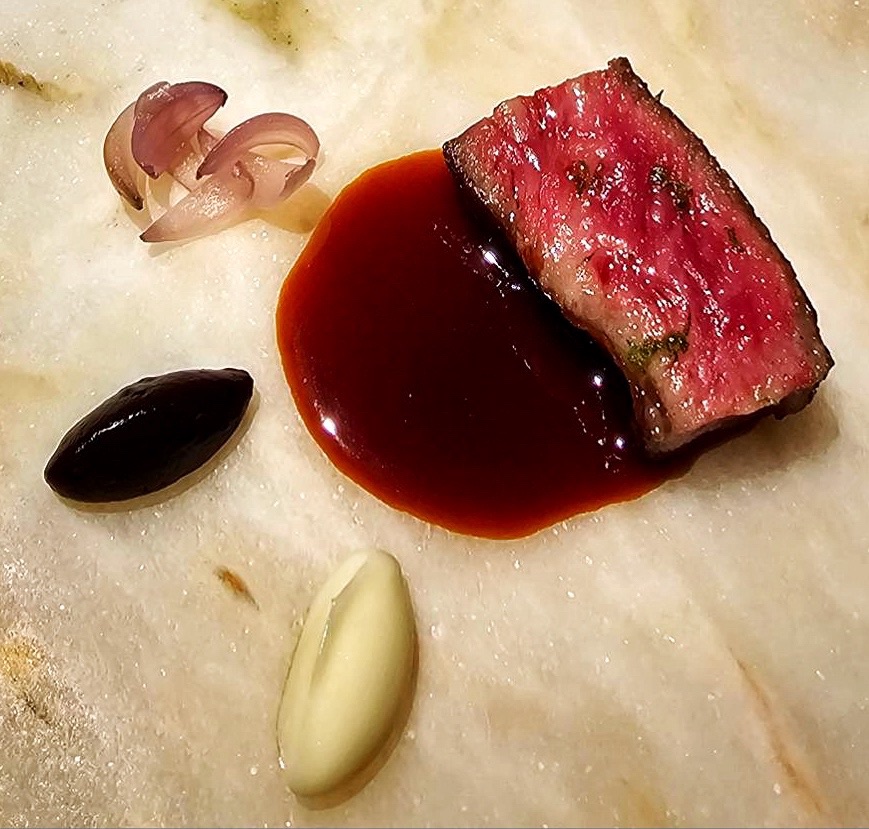
Each bite is a buttery symphony, the marbling dissolving like molten silk on your tongue. Bright calamansi and the whisper of soy cut through the richness, layering the Wagyu with brightness, depth, and a cheeky twist. One bite, and you can’t help but close your eyes in rapture, savoring every decadent, melt-in-your-mouth moment. By the last morsel, you’re left sated, dazzled, and certain—Filipino comfort food has been elevated to pure haute cuisine artistry.
9th Course & 10th Course : Dessert
Rice Textures
Ice Cream, Crisp, Glutinous
9th & 10th Courses: Dessert
Rice Signatures
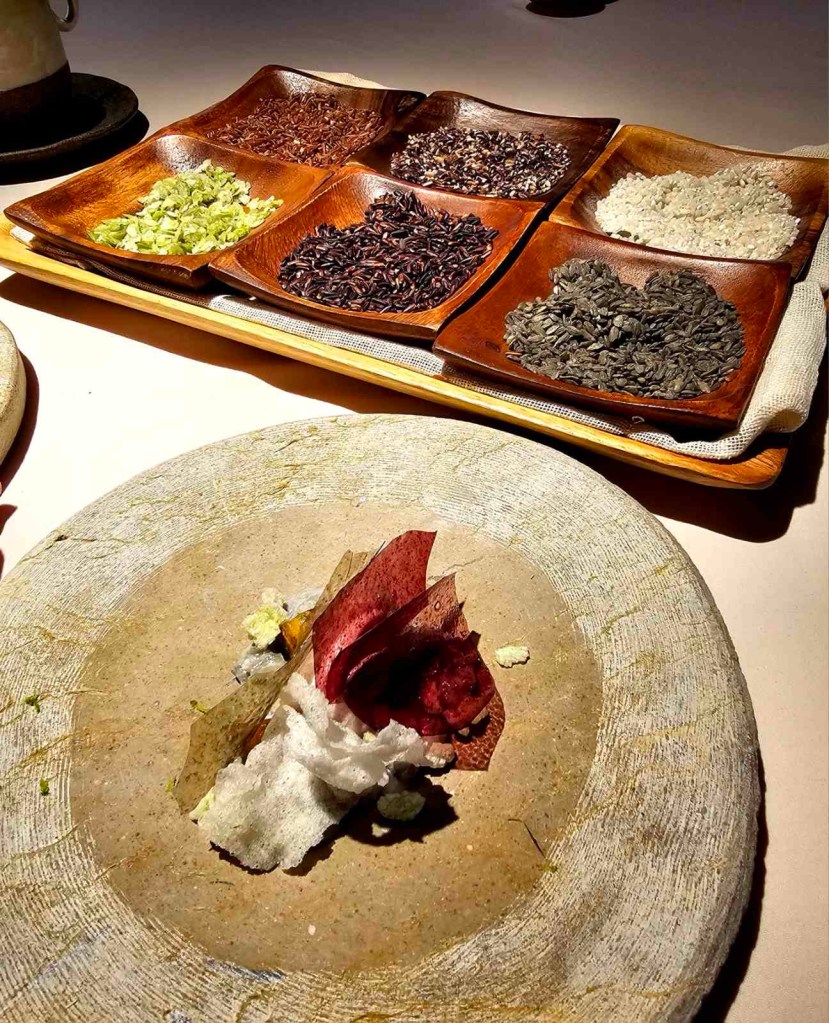
Dessert arrived not as an afterthought but as the final movement in the evening’s rice-centered symphony. The first sweet course explored rice in a chorus of textures: a scoop of fermented rice ice cream resting on a comforting bed of arroz con leche, accompanied by sticky rice and caramel-sweet banana.
Scattered across the plate were crisp shards and toasted pinipig, the immature rice lending a gentle crackle with every bite. Beneath the playful composition was a quiet tribute to the country’s heirloom grains. The ice cream was made from tapol, or pilit, a glutinous rice commonly found in the Visayas, while the crisp elements showcased grains from across the archipelago, a delicate white cracker made from Mayuyao rice of Mountain Province, a violet shard fashioned from mountain violet rice, and a dark, almost ebony crisp made from deremen rice from Pangasinan. What appeared at first glance to be a simple dessert slowly revealed itself as a small edible map of Philippine rice traditions.
Cacao
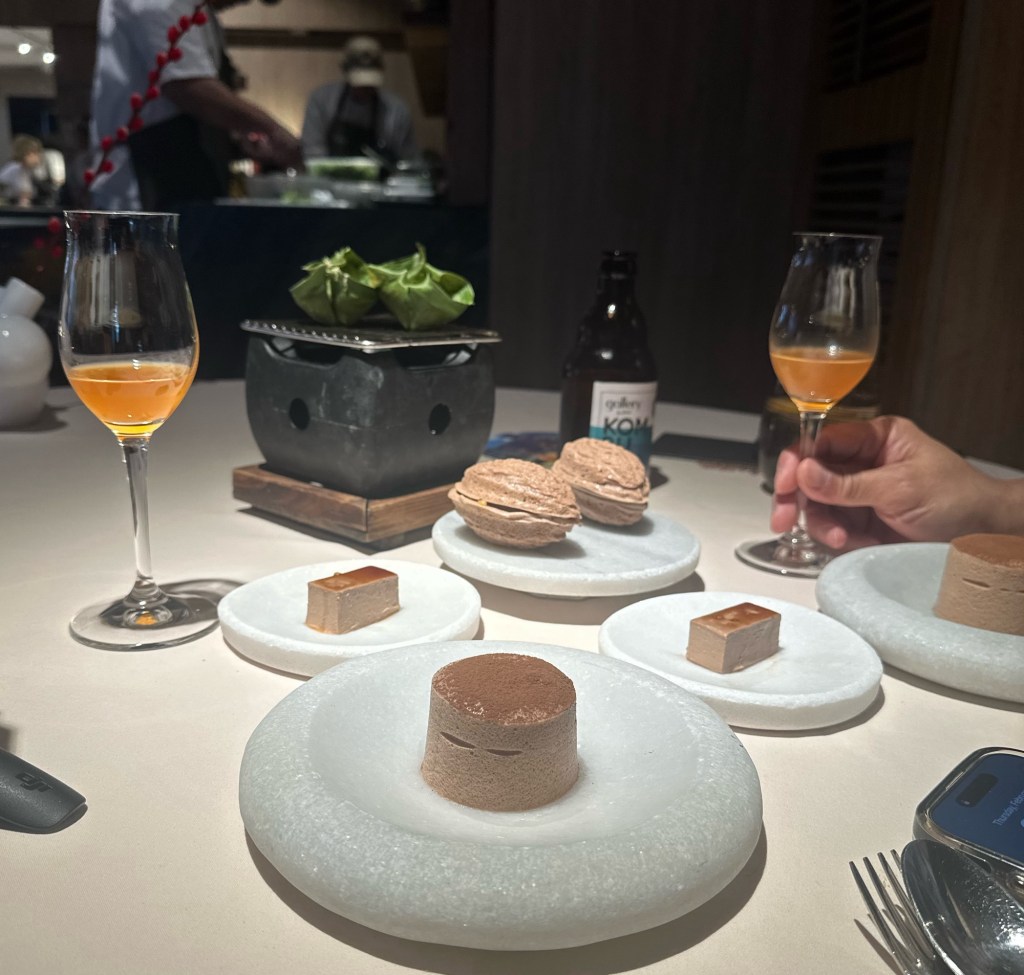
The next dessert shifted the spotlight from grain to cacao in a course titled “Cacao: Mucilage, Chocolate, Coconut.” Here the fruit was explored from pulp to bean.
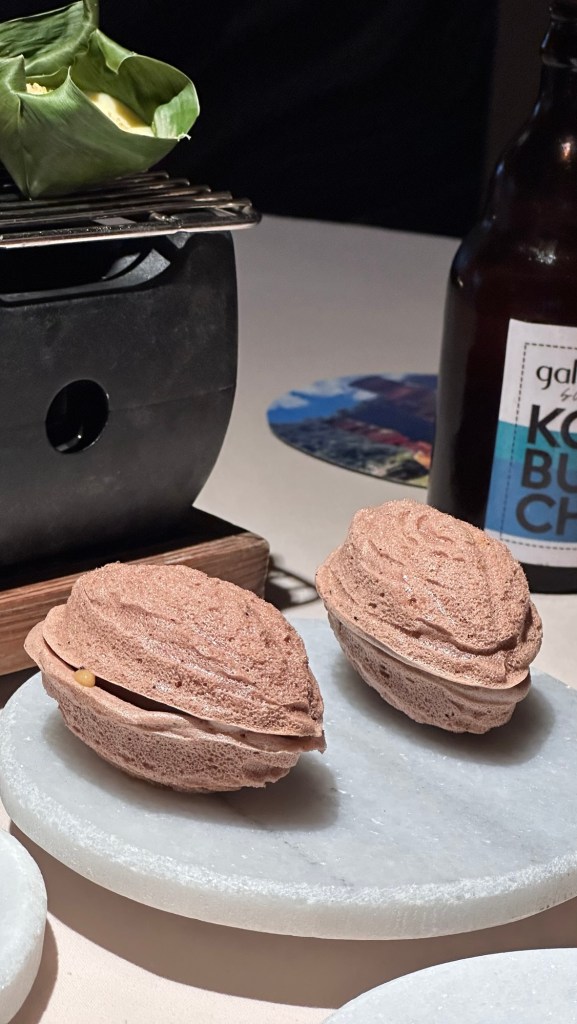
The “mucilage” appeared as a delicate meringue sandwich shaped like a walnut shell, hiding a bright, acidic sorbet that echoed the tangy pulp surrounding fresh cacao beans.
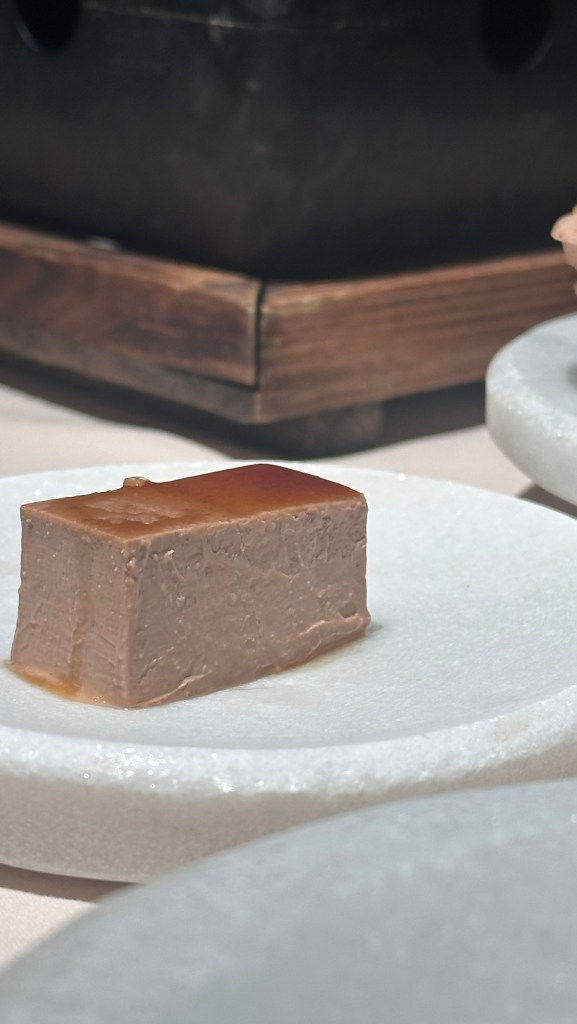
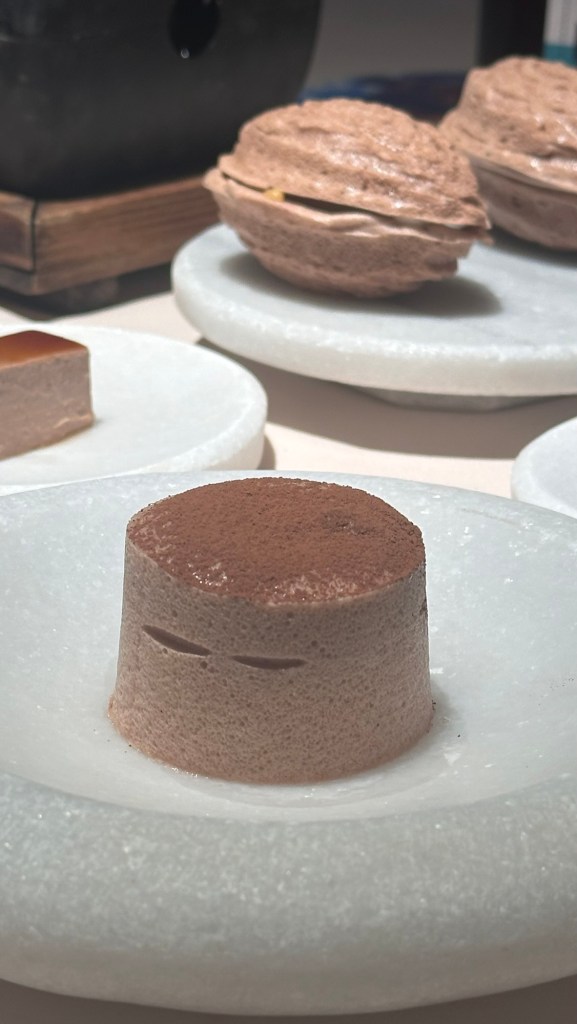
Alongside it sat a silky cacao flan, deeply chocolatey and reminiscent of a lush chocolate mousse, while the final flourish was a warm chocolate soufflé, one of the most temperamental desserts in the pastry world, arriving perfectly risen and feather-light. We were encouraged to wash it all down with the restaurant’s house-made kombucha, its gentle fizz and acidity cutting neatly through the richness.
Petit Four
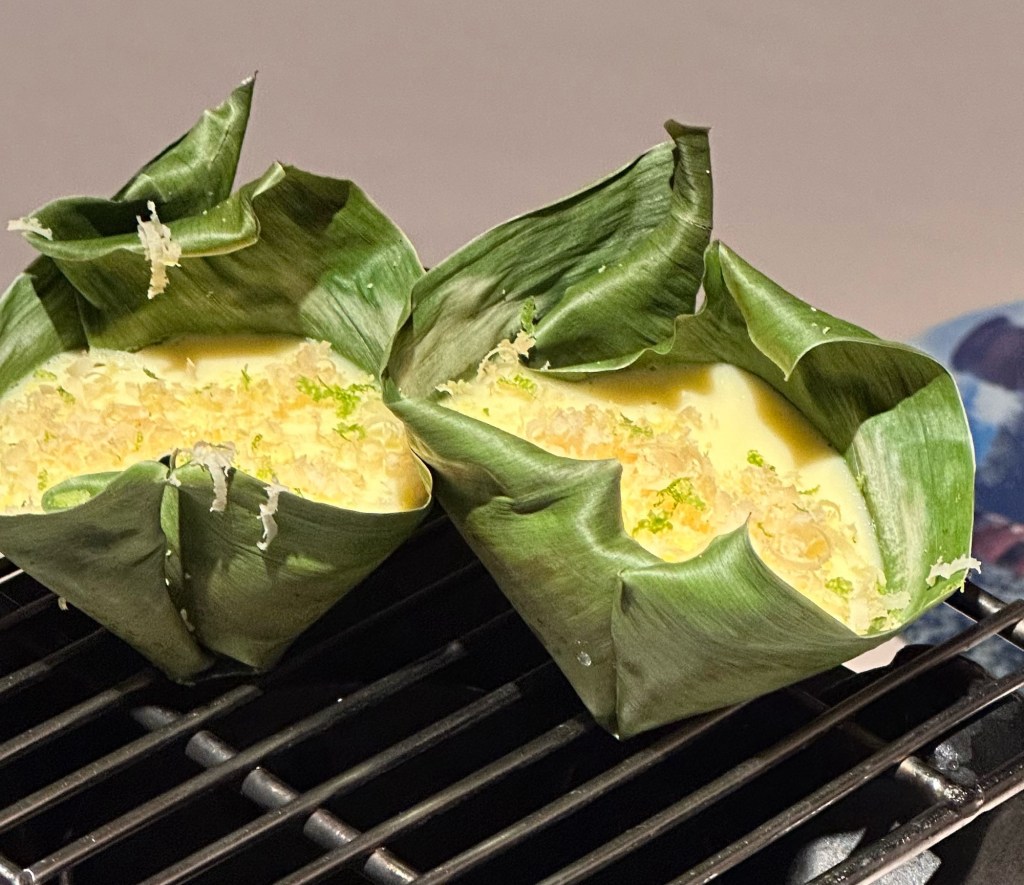
The meal ended with petit fours, Gallery by Chele’s affectionate nod to the beloved Filipino bibingka, reimagined in miniature and finished with the familiar savory-sweet pairing of salted egg and cheese. A fitting final bite and a reminder that in Filipino cuisine, rice is never just an ingredient but a story, a memory, and a heritage carried from the first course to the last.
Final Note
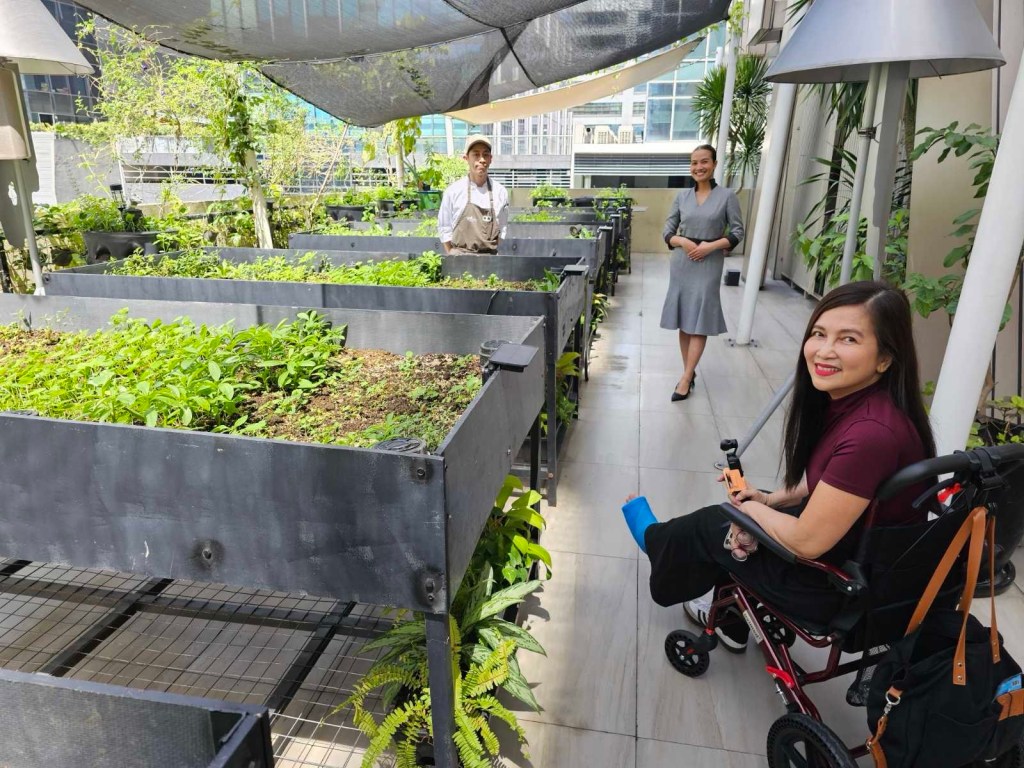
From the mini tour of the restaurant’s urban garden and studio lab to the steady procession of plates landing on the table, the 10-course Degustación at Gallery by Chele proved to be an eye-opening journey into the richness of Philippine rice.
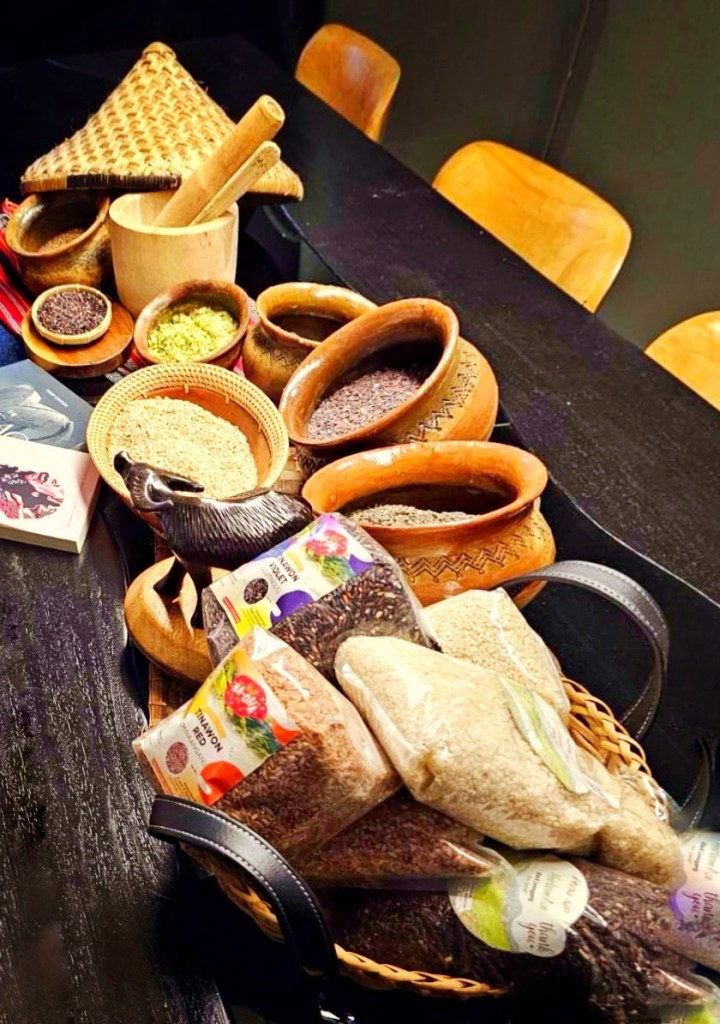
Before this meal, I never quite realized just how many varieties of rice exist across the country—each tied to a region, each suited to a different purpose. Over the course of the evening, rice revealed itself in countless forms: fermented, steamed, crisped, ground into flour, and even transformed into dessert. What could easily have been a humble ingredient became the thread that stitched the entire menu together.
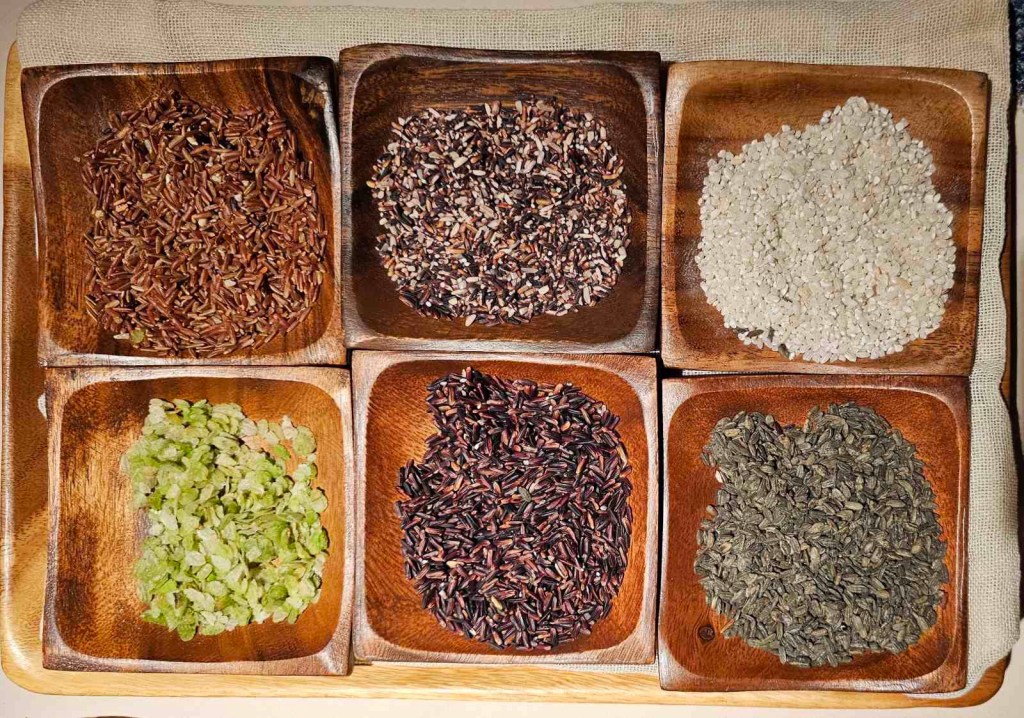
Every course paid homage to Filipino cuisine and culture, yet filtered through a lens of modern technique and creativity. The result was a tasting menu that felt both rooted and forward-looking, reminding diners that our most familiar ingredients still hold endless possibilities.

It also made clear why the restaurant holds both a Michelin Star and a Michelin Green Star. The Michelin Guide awards stars based on five key criteria: the quality of ingredients, mastery of cooking techniques, harmony of flavors, the chef’s personality expressed through the cuisine, and consistency over time and across the menu. The Green Star, meanwhile, recognizes restaurants leading the way in sustainable gastronomy, from responsible sourcing to minimizing waste and nurturing local producers.
Judged by those standards, the experience speaks for itself. The meal at Gallery by Chele was not just a degustation. It was a thoughtful narrative of Filipino ingredients, culture, and craftsmanship told one plate at a time.
The 10 Course Journey menu is P7200 per person.
Gallery by Chele is located on the 5th Floor, Clipp Center, 11th Avenue corner 39th Street, Bonifacio Global City (BGC), Taguig, Metro Manila
 Pigoutmanila